
As a commercial van driver, you quickly learn that proper tire pressure is vital during winter. Cold weather causes air to contract, leading to underinflated tires, which reduce traction and increase stopping distances. Maintaining correct pressure prevents tire wear and keeps your vehicle safe on icy roads. Regular checks of your tires, fluids, and vehicle systems are essential to avoid breakdowns. Keep these habits up, and you’ll be better prepared for winter challenges—discover more essential tips as you explore further.

Get business pricing on garage and car supplies
- Business-only prices and quantity discounts
- Tax-exempt purchasing
- Multiple users, one account, clear invoices
Key Takeaways
- Commercial van drivers learn the importance of regular tire pressure checks to prevent underinflation in cold weather.
- Drivers understand how proper tire maintenance enhances traction and safety on icy and snowy roads.
- Early lessons emphasize inspecting tires and vehicle systems to avoid breakdowns during winter routes.
- Drivers are trained to adapt driving habits based on winter conditions for better control and safety.
- Preventative maintenance, including tire and fluid checks, is crucial for safe winter deliveries.

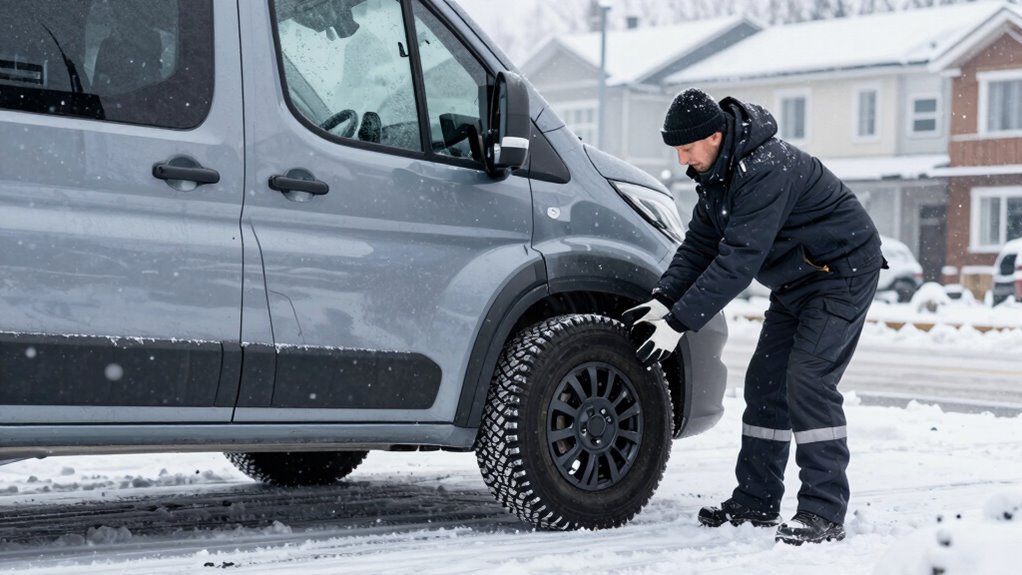
Are you prepared for winter driving conditions? For commercial van drivers, the cold months often bring unexpected challenges that test your readiness on the road. One of the earliest lessons you learn is the importance of proper tire pressure. Cold weather causes air to contract, meaning your tires can quickly become underinflated without you noticing. Underinflated tires reduce traction, increase stopping distances, and accelerate tire wear—all dangerous when roads are slick with snow or ice. That’s why regular checks of your tire pressure are crucial, especially before heading out on any route. You need to confirm your tires are inflated to the manufacturer’s recommended levels, which can often be found in your vehicle’s manual or on a sticker inside the driver’s door. Proper tire pressure not only improves safety but also optimizes fuel efficiency and extends tire life, saving you money in the long run.
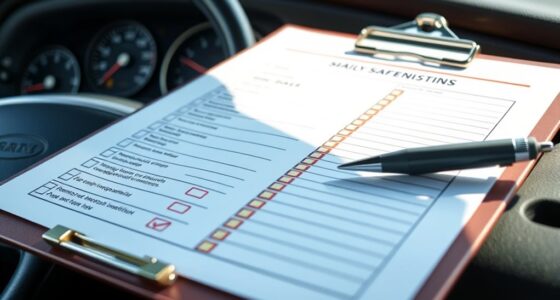
Alongside tire pressure, vehicle maintenance takes on heightened importance during the winter months. Cold temperatures can affect various systems, like your battery, brakes, and heating, which are critical for safe operation. You learn quickly that neglecting routine inspections can lead to breakdowns or accidents in freezing conditions. Before winter sets in, you should schedule a thorough vehicle check-up, including inspecting the antifreeze levels, ensuring your windshield wipers are in good condition, and verifying that your defrosting systems work effectively. Additionally, tires that are worn or improperly inflated compromise your control on icy roads, making regular inspections even more essential. Keeping fluids topped up with winter-grade formulations prevents freezing, and replacing worn brake pads ensures you can stop safely on slick surfaces. Regularly monitoring tire pressure and other key components is a fundamental part of winter vehicle safety. Being aware of winter conditions and adjusting your driving habits accordingly can make a significant difference in preventing accidents. Staying informed about proper vehicle maintenance practices can help you identify issues early before they become dangerous. It’s also essential to recognize the importance of vehicle preparedness in reducing risks during adverse weather.
These early lessons about tire pressure and vehicle maintenance become second nature as you face winter’s challenges. You realize that preventative measures, like checking tire pressure daily and performing routine vehicle maintenance, aren’t just good practices—they’re crucial for your safety and the safety of others. Preparing your van for winter isn’t complicated, but it requires discipline and attention to detail. By staying vigilant, you can avoid the pitfalls that winter road conditions often bring. Ultimately, these lessons teach you that staying ahead of potential issues keeps you moving smoothly through the season, ensuring your deliveries arrive on time and your journeys remain safe. Winter driving demands respect, and the knowledge you gain early about tire pressure and vehicle care becomes your best defense against the unpredictable winter roads.
As an affiliate, we earn on qualifying purchases.
Frequently Asked Questions
How Often Should Commercial Vans Switch to Winter Tires?
You should switch your commercial van to winter tires as temperatures consistently drop below 45°F (7°C). Regularly check your tires and plan seasonal maintenance, including proper tire storage, to guarantee safety and performance. Replace and store your summer tires properly during off-season to avoid damage. Doing this early helps prevent accidents, improves grip in winter conditions, and prolongs tire life, making your seasonal tire change a vital part of your maintenance routine.
Are Winter Tires Worth the Extra Cost for Commercial Vehicles?
Yes, winter tires are worth the extra cost for your commercial vehicle. They noticeably improve snow traction, helping you stay safe and avoid accidents in harsh conditions. While they may wear out faster, their enhanced grip and safety benefits outweigh concerns about tire longevity. Investing in winter tires guarantees your vehicle performs better in snow and ice, reducing downtime and potential costs from accidents or delays.
Can Winter Tires Be Used on All Types of Commercial Vans?
Back in the day, you could slap winter tires on any commercial van, but today, it’s a bit more nuanced. You can use winter tires on most vans, but proper tire storage and seasonal maintenance are key. Always check your van’s specifications and verify the tires fit correctly, especially if you switch between seasons. This keeps your vehicle safe, efficient, and ready to handle winter’s icy grip.
What Is the Recommended Tire Pressure for Winter Tires?
You should maintain tire pressure for winter tires at the vehicle manufacturer’s recommended levels, typically found on the driver’s side door jamb or in the owner’s manual. Proper tire maintenance guarantees safety standards are met, especially in winter conditions. Underinflated tires can reduce traction and increase stopping distances, while overinflation can cause uneven wear. Always check your tire pressure regularly to keep your van safe and functioning at its best during cold months.
How Do Winter Tires Affect Fuel Efficiency?
Winter tires can slightly reduce your fuel efficiency because their tire material and tread design create more rolling resistance on cold, icy roads. The softer rubber compounds in winter tires improve grip but require more energy to roll, while deeper tread patterns increase friction. To minimize this impact, make sure your tires are properly inflated, and choose winter tires with optimized tread designs that balance traction and efficiency.
As an affiliate, we earn on qualifying purchases.
Conclusion
Ultimately, understanding winter tire importance can save you from costly accidents. Imagine a delivery driver slipping on icy roads just because they skipped proper tires—delays and damages follow. But with the right winter tires, you maintain control and guarantee timely deliveries. So, don’t wait until the first snow; invest in quality winter tires now. Your safety, your cargo, and your reputation depend on it. Stay prepared, stay safe this winter season.
As an affiliate, we earn on qualifying purchases.
As an affiliate, we earn on qualifying purchases.
Halloween Picks
halloween
As an affiliate, we earn on qualifying purchases.