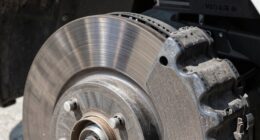
If you’re experiencing driveline vibration at highway speeds, it’s often caused by unbalanced tires or worn U joints. Uneven tire wear or hitting potholes can throw off your tires’ balance, leading to shaking. Worn U joints disrupt driveshaft alignment, causing vibrations and noise. To pinpoint the issue, you might need to check both. Keep in mind, resolving the problem early can save you from more costly repairs down the road—stay tuned to learn more.
Key Takeaways
- Tire imbalance typically causes vibrations that increase with highway speeds and can often be fixed through balancing.
- Worn U joints can misalign the driveshaft, leading to vibrations that may worsen during highway driving.
- Visual inspections can reveal uneven tire wear or U joint damage, helping distinguish between balancing and U joint issues.
- Persistent or worsening vibrations at high speeds suggest underlying driveline component problems beyond simple tire balancing.
- Proper diagnosis involves checking both tire balance and U joints to identify the primary cause of highway-speed vibrations.

If you notice a vibration in your vehicle at highway speeds, it could be a sign of driveline issues. One common cause is tire imbalance. When your tires are not properly balanced, they can cause uneven rotation, leading to vibrations that become more noticeable at higher speeds. This imbalance can result from hitting a pothole, curb, or simply from normal wear over time. If your tires are out of balance, you might also notice uneven tire wear or a slight steering wheel wobble. Addressing this is straightforward—you’ll need to have your tires balanced at a reputable shop. Proper balancing ensures that weight is evenly distributed around the tire, reducing vibrations and improving ride comfort.
Beyond tire imbalance, U joint wear is another frequent culprit behind driveline vibrations. The U joints, or universal joints, connect the driveshaft to the transmission and axles, allowing for smooth rotation despite suspension movement. Over time, these joints can wear out, especially if they weren’t properly lubricated or if your vehicle has accumulated high mileage. Worn U joints can cause the driveshaft to become misaligned, which translates into vibrations felt through the steering wheel or the floorboard at highway speeds. If U joint wear is the issue, the vibration may be accompanied by clunking sounds when shifting gears or turning sharply. Replacing worn U joints is essential to restore smooth operation and prevent further damage to your driveline. Additionally, proper maintenance can extend the lifespan of these components and reduce the likelihood of vibration issues.
It’s vital not to dismiss these vibrations, as they can signal underlying problems that might worsen if left unaddressed. While balancing your tires can often resolve the issue quickly, persistent vibrations despite balancing might point to U joint wear or other driveline components needing inspection. When you take your vehicle to a mechanic, they’ll likely perform a visual inspection of your U joints and check the condition of your tires. They may also perform a road test or use specialized tools to diagnose the source of the vibration more precisely. Regular driveline inspections can help identify issues before they lead to expensive repairs.
Ignoring driveline vibrations isn’t recommended because they can lead to more significant damage, including costly repairs down the line. Regular maintenance, such as tire balancing and U joint inspections, can help you catch issues early and keep your vehicle running smoothly at highway speeds. If you notice vibrations that don’t go away after balancing your tires, it’s time to have a professional check your U joints and other driveline components. Addressing these problems quickly will save you money and ensure a safer, more comfortable driving experience.
Frequently Asked Questions
Can Uneven Tire Wear Cause Driveline Vibration?
Yes, uneven tire wear can cause driveline vibration. When you neglect regular tire rotation and wheel alignment, certain areas of your tires wear out faster, creating imbalance. This imbalance can lead to vibrations at highway speeds. To prevent this, make sure you rotate your tires as recommended and keep your wheels properly aligned. These steps help maintain even tire wear, reducing driveline vibrations and improving your vehicle’s overall smoothness.
How Often Should U-Joints Be Inspected for Vibration Issues?
You should inspect your U-joints every 30,000 miles or if you notice vibration, squeaking, or rust corrosion. Don’t wait for them to turn into mechanical nightmares—think of it as giving your vehicle a spa day. Regular lubrication helps prevent rust corrosion and keeps things smooth. If you’re feeling vibrations or hear clunking, it’s time to check those U-joints before they turn into costly repairs.
Are Aftermarket Balancing Weights Reliable for Restoring Balance?
Aftermarket weights can be reliable for restoring balance if they’re properly installed and of good quality. They often provide accurate balancing, helping eliminate vibrations at highway speeds. However, their reliability depends on matching the correct weight size and placement. Always make certain the weights are securely attached and calibrated for your specific vehicle. When done correctly, aftermarket weights can effectively improve driving comfort and reduce driveline vibration.
Can Engine Misfire Contribute to Driveline Vibration at Highway Speeds?
An engine misfire can definitely stir up driveline vibrations at highway speeds, like ripples on a pond spreading far and wide. When your engine performance falters, it causes uneven power delivery, which affects the entire drivetrain. This not only leads to vibrations but also reduces fuel efficiency. Addressing misfires promptly guarantees smoother rides and preserves your vehicle’s harmony, so you can cruise confidently without feeling every bump.
What Is the Typical Lifespan of a U-Joint Before Replacement?
A U-joint typically lasts between 100,000 to 150,000 miles, but its durability depends on driving conditions and maintenance. Regular inspections can help you estimate its lifespan, as signs of wear like clunking or vibrations indicate it’s time for replacement. Keep an eye out for these symptoms, and replace the U-joint promptly to prevent further driveline issues and ensure smooth, safe driving.
Conclusion
To conclude, while balancing tires often reduces driveline vibrations, it’s worth considering u-joints too, since worn joints can cause similar issues. Some experts suggest that vibrations at highway speeds might actually stem from slight misalignments or even drivetrain looseness, not just imbalance. So, don’t just rely on balancing; inspect your u-joints and drivetrain components. A thorough check-up will help you pinpoint the true cause and keep your ride smooth.