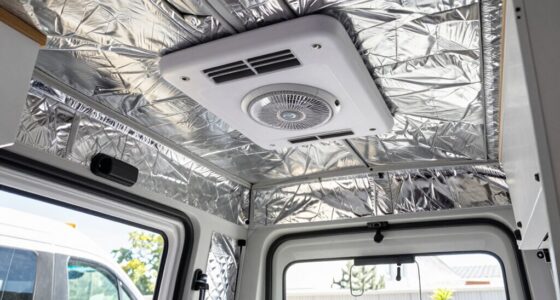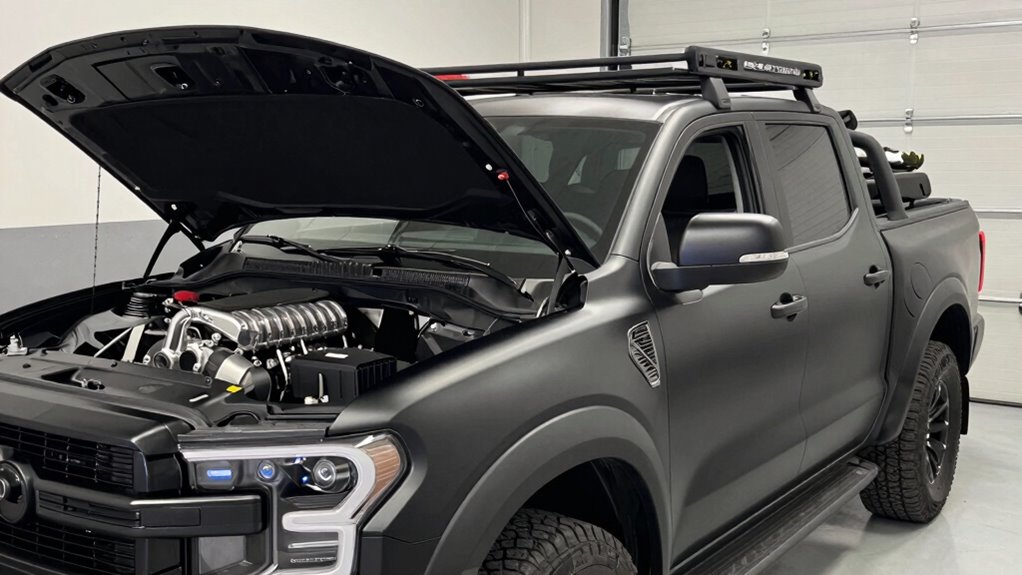

To add mods without voiding your warranty, always check your manufacturer’s guidelines and make sure you use authorized upfitters. Stick to approved accessories and avoid major changes that aren’t permitted, as these can void coverage. Keep detailed records of all work and get documentation from professional installers. Staying informed about your vehicle’s warranty policies and industry standards helps protect your coverage. Continue exploring key tips to upgrade confidently without risking your warranty protection.
Key Takeaways
- Verify with the manufacturer or dealer which modifications are warranty-approved before installing accessories.
- Use authorized or certified upfitters to ensure proper installation and maintain warranty coverage.
- Keep detailed records and documentation of all modifications and installations for warranty claims.
- Avoid unapproved major modifications like engine tuning or suspension lifts that may void warranties.
- Regularly review manufacturer policies and industry standards to stay informed on permissible upgrades.
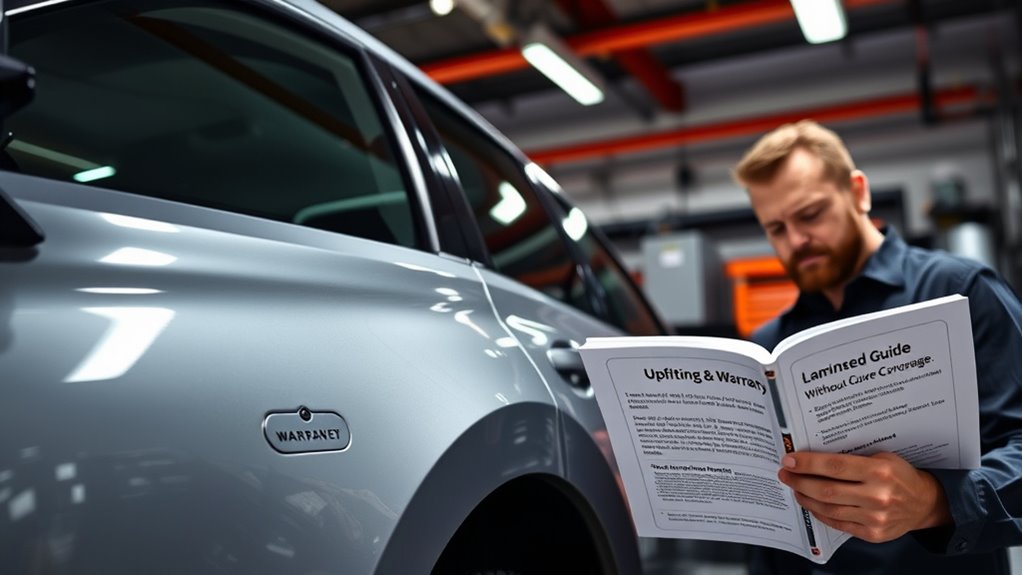
When you upgrade your vehicle with upfitting accessories or modifications, understanding how it impacts your warranty is essential. Whether you’re enhancing a personal ride or outfitting a fleet, knowing the rules can save you from unexpected expenses. For fleet operators, maintaining compliance with manufacturer standards and regulations is crucial, especially when adding aftermarket accessories. These modifications can be beneficial, but they also carry the risk of voiding warranties if not handled correctly. It’s important to verify whether your upgrades are considered part of fleet compliance, meaning they meet industry standards and won’t interfere with warranty protections. Before installing any aftermarket accessories, check your vehicle’s warranty policy and consult with the manufacturer or dealer. Some warranties explicitly specify what kinds of modifications are permissible, and staying within those boundaries helps ensure coverage remains intact.
Many aftermarket accessories can be added without risking warranty issues—if you choose wisely and follow proper procedures. For example, simple upgrades like upgraded lighting, floor mats, or protective coatings often fall within warranty guidelines because they don’t interfere with the vehicle’s core systems. However, more significant modifications like engine tuning, suspension lifts, or custom electronics can be tricky. These may be considered alterations that could void your coverage unless approved or installed by authorized professionals. To avoid this, always work with reputable upfitters who understand warranty implications and can document their work. This documentation proves that any modifications are compliant and properly installed, which is important if warranty claims arise later. Additionally, understanding the benefits of herbal teas can be helpful when considering ways to promote relaxation during vehicle upgrades or maintenance. Moreover, staying informed about industry standards helps ensure that your modifications meet required safety and quality benchmarks, reducing the risk of warranty issues. Being aware of manufacturer guidelines for specific vehicle models can further prevent unintentional warranty violations during upgrades.
It’s also wise to stay informed about local regulations and industry standards when adding aftermarket accessories. Some modifications might be required to meet fleet compliance standards, especially if your vehicle is part of a commercial operation. Ensuring your upgrades are compliant can help avoid penalties and maintain warranty protections. Additionally, some manufacturers offer specific programs or guidelines for fleet vehicles that include approved accessories and modifications, making it easier to upgrade without jeopardizing warranty coverage. Familiarity with vehicle modification policies can help you navigate these requirements smoothly and avoid costly mistakes.
Frequently Asked Questions
Can I Install Aftermarket Parts Without Voiding My Warranty?
Yes, you can install aftermarket parts without voiding your warranty, but you need to be cautious. Aftermarket risks include potential damage or issues that may not be covered, so check your warranty exceptions carefully. Always keep documentation of the parts you install and consult your manufacturer or dealer first. Staying within warranty exceptions guarantees you enjoy your mods without risking coverage, giving you peace of mind with your upgrades.
What Specific Mods Are Covered Under Warranty?
Think of your warranty like a safety net—factory installed options and dealer-installed upgrades are usually covered, much like a trampoline supports you safely. If you add mods like a new exhaust or suspension, these are often covered if installed properly and don’t cause damage. Always check with your dealer first, as they can clarify which specific mods stay within warranty coverage, preventing costly surprises later.
How Do I Document Upfitting to Protect Warranty Coverage?
To protect your warranty coverage, you should meticulously document your upfitting process. Keep detailed OEM documentation and upfitting records, including receipts, installation dates, and descriptions of modifications. Take photos before, during, and after the installation. Store all records in a dedicated folder or digital file. This thorough documentation helps you demonstrate that modifications are professional and compliant, safeguarding your warranty if issues arise.
Are There Approved Third-Party Upfitters Recommended by Manufacturers?
You should look for upfitters with manufacturer partnerships and third-party certifications, as these indicate approval and adherence to quality standards. Many automakers recommend certified third-party upfitters who meet specific guidelines, ensuring your modifications won’t void your warranty. Always verify that the upfitter has proper credentials and consult your vehicle’s manufacturer for a list of approved partners, so you can confidently upgrade without risking coverage issues.
What Steps Should I Take if a Mod Causes Warranty Issues?
If a mod causes warranty issues, first review your vehicle’s warranty considerations to understand coverage limits. Then, contact your manufacturer or dealer for guidance. Provide detailed installation tips you followed to demonstrate proper installation. If needed, get professional advice and keep documentation of all modifications and communications. This proactive approach helps safeguard your warranty rights and ensures any issues are addressed efficiently.
Conclusion
By following proper upfitting practices, you can enjoy your custom mods without risking your warranty. For example, if you add a new bumper through a certified installer, you’ll likely stay protected. Just remember to keep receipts and document the work. So, before making any modifications, double-check your warranty terms. That way, you can confidently personalize your vehicle while keeping your coverage intact and ready for any surprises down the road.