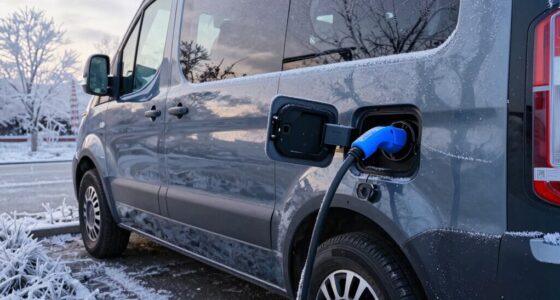
As a transit owner, you’ll eventually face the decision to upgrade to lithium batteries for better performance, safety, and lower long-term costs. Lithium batteries offer high energy density, longer lifespan, and reduce vehicle weight, improving efficiency. However, safety and infrastructure needs are important considerations. With proper planning and management, the shift can boost fleet reliability and sustainability. If you want to understand the full benefits and challenges, you’ll find valuable insights ahead.
Key Takeaways
- Transit owners consider lithium upgrades to enhance fleet performance, safety, and longevity of their batteries.
- Proper infrastructure and safety protocols are critical to successfully implementing lithium battery systems.
- Initial investment costs are offset by long-term savings from reduced maintenance and operational efficiencies.
- Incentives and subsidies can make lithium upgrades more financially feasible for transit agencies.
- A thorough evaluation of safety, performance, and financial factors guides effective lithium battery integration.
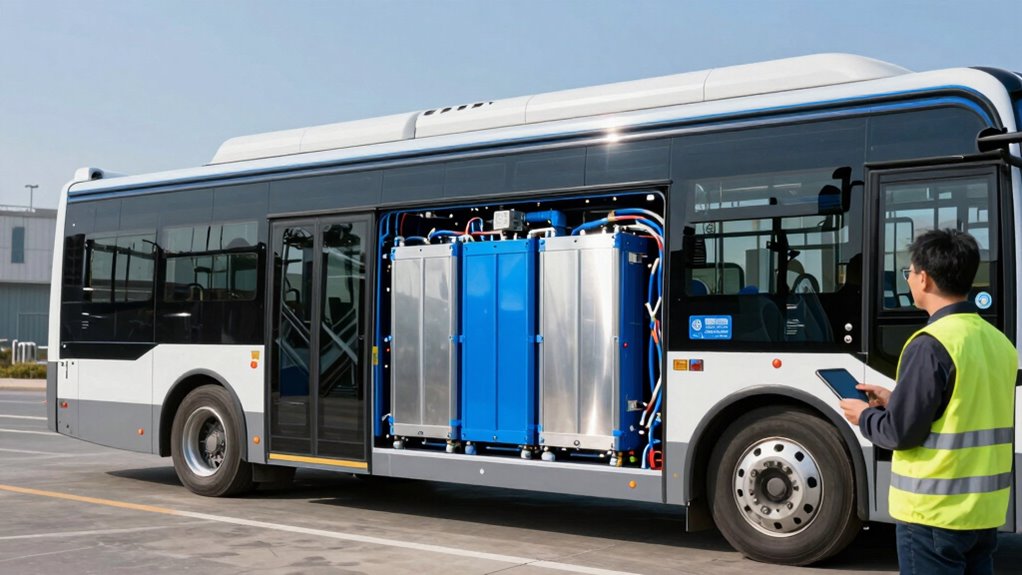
If you’re considering upgrading your transit vehicles, switching to lithium batteries offers a compelling option. Many transit owners face this decision, weighing the benefits of improved performance against safety concerns and costs. Lithium batteries are known for their high energy density, longer lifespan, and reduced weight, all of which can enhance the efficiency of your fleet. But before making the switch, it’s crucial to understand the implications of battery safety and conduct a thorough cost analysis.
Switching to lithium batteries boosts fleet efficiency but requires careful safety and cost considerations.
Battery safety is a primary concern for transit operators. Lithium batteries, while generally safe when properly managed, can pose risks if not handled correctly. Overcharging, physical damage, or manufacturing defects can lead to thermal runaway, causing fires or explosions. That’s why rigorous safety protocols, quality assurance, and proper maintenance are essential. Investing in batteries with built-in safety features, such as thermal management systems and protective circuitry, can mitigate these risks. Ensuring your team is trained on safe handling procedures further reduces potential hazards. While safety concerns are valid, advancements in lithium battery technology have considerably improved their safety profiles, making them a dependable choice for transit applications when managed properly. Ongoing research and development continue to improve safety measures, helping to address previous concerns. Additionally, battery safety standards and certifications are becoming more stringent, further enhancing trust in lithium technology. Implementing advanced safety protocols can further ensure safe operation and peace of mind.
Transitioning to lithium batteries also involves considering infrastructure upgrades, such as new charging stations and safety measures. These initial investments can be substantial but are offset by the operational efficiencies and longevity of the batteries. Furthermore, governments and organizations increasingly offer incentives for adopting cleaner, more efficient energy sources, which can further improve the financial viability of switching. Conducting a comprehensive cost analysis that includes potential incentives and subsidies can provide a clearer picture of the long-term savings. Proper planning and integration of the new infrastructure are essential to maximize the benefits of lithium battery technology.
Ultimately, the decision revolves around balancing safety, cost, and performance. Lithium batteries offer notable advantages, but only if you implement proper safety protocols and conduct a realistic cost analysis that accounts for all factors. When managed correctly, lithium upgrades can enhance your fleet’s reliability, reduce operating costs, and support your commitment to sustainability.

Jackery Portable Power Station Explorer 240D, 256Wh Backup Lithium Battery, with Car Charger Cable (DC8020)
𝐌𝐢𝐠𝐡𝐭𝐲 𝐏𝐨𝐰𝐞𝐫 𝐢𝐧 𝐎𝐧𝐞. The Jackery Explorer 240D portable power station packs 256Wh of energy, equivalent to 8…
As an affiliate, we earn on qualifying purchases.
As an affiliate, we earn on qualifying purchases.
Frequently Asked Questions
How Long Does a Lithium Battery Upgrade Typically Take?
A lithium battery upgrade typically takes a few hours to a day, depending on the system size and installation complexity. During this process, you’ll notice improved charging efficiency and extended battery lifespan, which means less downtime and more reliable performance. You might need to plan for some downtime, but the upgrade’s benefits—like better energy management and longer-lasting batteries—make it worth the wait.
What Are the Initial Costs of Upgrading to Lithium Batteries?
Upgrading to lithium batteries is like planting a seed for future savings. The initial costs are typically higher, ranging from $10,000 to $50,000, depending on fleet size and battery capacity. When you consider battery recycling and a thorough cost comparison, these expenses might seem steep now but pay off over time with reduced maintenance and longer lifespan. It’s an investment that transforms your transit system’s efficiency and sustainability.
Are Lithium Batteries Environmentally Friendly Compared to Lead-Acid?
Yes, lithium batteries are more environmentally friendly than lead-acid batteries. They produce fewer emissions during use and have a longer lifespan, reducing waste. Plus, with proper battery recycling and adherence to environmental regulations, lithium batteries minimize environmental impact. While they require responsible disposal, their efficiency and recyclability make them a greener choice, helping you reduce your overall ecological footprint compared to traditional lead-acid options.
How Do Lithium Batteries Impact Vehicle Maintenance Routines?
You’ll find that lithium batteries markedly reduce maintenance efforts, as they last about 2-3 times longer than lead-acid options. With proper charging protocols, you can extend battery lifespan even further, minimizing replacements and downtime. Lithium batteries require less frequent checks for water levels and fewer maintenance routines overall. This means your vehicle stays on the road longer, saving you time and money while improving reliability.
What Are the Safety Concerns With Lithium Battery Installations?
You should be aware of safety concerns with lithium battery installations, especially regarding thermal management and battery recycling. Overheating can cause fires or thermal runaway, so proper cooling systems are essential. Additionally, safe battery recycling practices help prevent environmental hazards and potential exposure to hazardous materials. Regular inspections and adherence to safety protocols minimize risks, ensuring safe operation and responsible disposal of lithium batteries in your transit vehicles.

Litime 12V 100Ah Trolling Motors LiFePO4 Battery (Group 31), 12 Volt Bluetooth Lithium Batteries, Max. 15000 Deep Cycles, 100A BMS, Low-Temp Protection for Marine, Boat, Yacht, RV, Solar (3-Pack)
Smart Bluetooth Monitoring: Auto-connects in seconds. Check battery status, control discharge, and run system checks right from your…
As an affiliate, we earn on qualifying purchases.
As an affiliate, we earn on qualifying purchases.
Conclusion
As you weigh the lithium upgrade, remember it’s like planting a seed for a brighter future. While the initial investment might seem steep, the potential for longer-lasting, more efficient transit operations can truly pay off. Embrace the change now, and watch your fleet’s performance blossom like a well-tended garden. Don’t let hesitation hold you back—this upgrade could be the key to opening smoother, more reliable journeys for everyone on board.
electric transit vehicle lithium battery upgrade kit
As an affiliate, we earn on qualifying purchases.
As an affiliate, we earn on qualifying purchases.

Modern Battery Engineering: A Comprehensive Introduction
As an affiliate, we earn on qualifying purchases.
As an affiliate, we earn on qualifying purchases.