Downtime costs transit fleets more than most realize because it’s not just about repairs; it also includes revenue loss from missed trips, higher labor costs, and damage to your reputation. When vehicles are unavailable, your service capacity drops, and unplanned fixes become more expensive. Long-term, recurring downtime chips away at profitability and fleet longevity. Understanding these hidden impacts can help you make smarter decisions — keep going to discover how to reduce these costs effectively.
Key Takeaways
- Hidden costs like revenue loss and reputation damage often overshadow immediate repair expenses.
- Unplanned repairs increase labor costs and service disruptions, raising overall operational expenses.
- Downtime reduces fleet efficiency, leading to higher operational costs and decreased profitability.
- Relying on reactive maintenance accelerates asset aging and shortens vehicle lifespan, increasing long-term costs.
- Implementing predictive maintenance and strategic planning can significantly lower downtime-related expenses.

Have you ever considered how much a single minute of downtime can cost your business? In the transit industry, delays and equipment failures don’t just inconvenience passengers—they hit your bottom line hard. Many fleet managers underestimate the true expense of downtime, often focusing only on immediate repair costs. But the real costs go far beyond those initial expenses, affecting your entire operation’s efficiency and long-term profitability.
One of the most effective ways to reduce downtime costs is through predictive maintenance. Instead of waiting for equipment to fail, you use data and analytics to anticipate issues before they happen. This proactive approach guarantees your vehicles stay in service longer and reduces unplanned repairs. By integrating predictive maintenance into your asset management strategy, you extend the asset lifecycle, getting more value from each vehicle and piece of equipment. This not only cuts costs but also improves reliability, helping you deliver consistent service and build passenger trust.
However, many transit fleets fail to prioritize these strategies, often because they underestimate the hidden costs of downtime. When vehicles sit idle due to unexpected breakdowns, you face more than just the repair bill. You lose revenue from missed trips, face increased labor costs, and risk damaging your reputation with late arrivals. Plus, emergency repairs tend to be more expensive than planned maintenance, further inflating the true cost of unplanned downtime. Over time, these costs accumulate, eating into your profit margins and making your operations less efficient. Understanding equipment failure is crucial for effective maintenance planning. Additionally, investing in technology and data-driven decision-making** can significantly improve your ability to predict and prevent failures. Recognizing these hidden costs of downtime can motivate proactive strategies to minimize disruptions before they happen. Incorporating preventive maintenance** can provide an extra layer of protection against costly failures.
Focusing on the asset lifecycle is essential. When you understand how each component ages and fails, you can plan maintenance around those insights. This proactive lifecycle management minimizes disruptions and extends the useful life of your fleet. It’s about shifting from reactive repairs to strategic maintenance that keeps your vehicles running smoothly and reduces overall expenses. A comprehensive understanding of equipment failure patterns and trends allows for more precise scheduling and resource allocation. This approach demands data-driven decision-making and investment in technology, but the payoff is significant: fewer breakdowns, lower maintenance costs, and a more resilient fleet.
In the end, most transit fleets don’t truly grasp how expensive downtime can be over time. It’s more than the immediate repair bills; it’s about lost revenue, increased operational costs, and diminished service quality. By embracing predictive maintenance and managing the asset lifecycle effectively, you can mitigate these costs and keep your fleet running efficiently. Recognizing the full scope of downtime’s impact allows you to implement smarter strategies, ultimately saving money and enhancing your service reliability.

Certified Transit Vehicle Maintenance Technician Exam Study Guide Flashcards
Pass the Certified Transit Vehicle Maintenance Technician Exam with updated flashcards packed with detailed content aligned to the…
As an affiliate, we earn on qualifying purchases.
As an affiliate, we earn on qualifying purchases.
Frequently Asked Questions
How Is Downtime Cost Calculated Precisely in Transit Fleets?
You calculate downtime cost in transit fleets by considering lost revenue, increased labor, and operational disruptions. Maintenance scheduling impacts downtime, as delays can extend vehicle unavailability. You also factor in expenses for spare parts needed to repair or replace components quickly. By evaluating these elements, you get a precise measure of downtime costs, revealing how unplanned outages can profoundly impact your fleet’s overall efficiency and expenses.
What Are Hidden Costs Associated With Fleet Downtime?
Like a ship lost at sea, fleet downtime hides hidden costs. You face fuel inefficiencies as engines idle longer, wasting resources. Driver fatigue increases, risking errors and safety issues. These quiet expenses ripple through your operations, draining profits and morale. Over time, this unseen toll can cripple your fleet’s efficiency, making downtime more costly than you realize. Recognizing these hidden costs helps you navigate toward smarter, more resilient fleet management.
How Does Downtime Affect Customer Satisfaction and Service Reputation?
Downtime directly impacts customer trust because passengers experience service delays, which frustrates them and diminishes confidence in your fleet. When vehicles are out of service, you face frequent cancellations or late arrivals, causing inconvenience. This erosion of reliability harms your service reputation, making customers less likely to choose your transit system in the future. Consistent downtime signals poor management, discouraging riders and reducing overall customer satisfaction.
What Industries Are Most Impacted by Transit Fleet Downtime?
Transportation and logistics industries are most impacted by transit fleet downtime. When fleet optimization and maintenance scheduling falter, delays ripple through supply chains, disrupting deliveries and increasing costs. You face lost revenue and damaged reputation, yet often hesitate to invest in preventive measures. Minimizing downtime means smarter scheduling and proactive maintenance, ensuring your fleet runs smoothly, keeps promises, and maintains customer trust—even when unexpected issues arise.
How Can Predictive Maintenance Reduce Downtime Costs Effectively?
Predictive analytics helps you identify potential issues before they cause breakdowns, reducing downtime costs. By leveraging data, you can optimize maintenance scheduling, performing repairs only when necessary rather than on a fixed timetable. This proactive approach minimizes unexpected failures, extends asset lifespan, and saves money. With predictive maintenance, you gain better control over your fleet’s operations, ensuring higher reliability and lower overall downtime expenses.
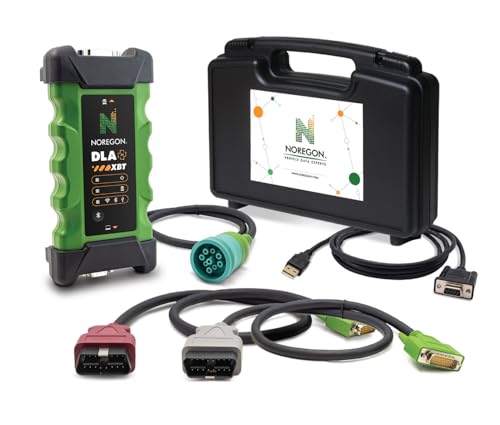
Noregon DLA+ 3.0 XBT Adapter Kit
Compliant with industry standards. – TMC RP1210c abd SAE J1455 compliant with support for 3 CAN, J1939, and…
As an affiliate, we earn on qualifying purchases.
As an affiliate, we earn on qualifying purchases.
Conclusion
Don’t underestimate the true cost of downtime—it’s more than just lost hours; it impacts your entire operation, from delayed deliveries to increased maintenance costs. Think of it like a leaky faucet draining your resources daily; the smaller the leak, the more it adds up over time. By investing in proactive maintenance and efficient scheduling, you prevent those costly interruptions. Remember, a small fix today saves you a big expense tomorrow.

Advanced Microsystems for Automotive Applications 2012: Smart Systems for Safe, Sustainable and Networked Vehicles
As an affiliate, we earn on qualifying purchases.
As an affiliate, we earn on qualifying purchases.

Preventive Maintenance: A Complete Guide to Industrial Maintenance for Advanced Automation
As an affiliate, we earn on qualifying purchases.
As an affiliate, we earn on qualifying purchases.