TL;DR

Get business pricing on garage and car supplies
- Business-only prices and quantity discounts
- Tax-exempt purchasing
- Multiple users, one account, clear invoices
Startup Hoffman plans to use components and software from used Tesla Model 3s and Model Ys to build Badger vans, pickups, buses and other vehicles. It says customers could buy a self-build kit or a vehicle assembled by Hoffman; production, final pricing and delivery timing have not been confirmed.
Startup Hoffman is developing the Badger, a platform intended to turn components from used Tesla Model 3s and Model Ys into custom vans, pickup trucks, buses and other vehicles. The company says buyers will be able to purchase a build-it-yourself kit or a completed vehicle, a plan that could give salvage Teslas a second use while offering buyers body styles Tesla does not sell.
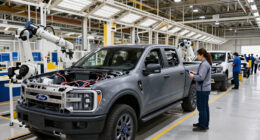
As described by The Drive, Hoffman would reuse parts from donor Teslas, including seats, steering wheels, screens and airbags, as well as computers and software. The company combines those components with its own platform and vehicle structures. Hoffman previously worked on electric-vehicle conversions for DeLoreans, according to the report.
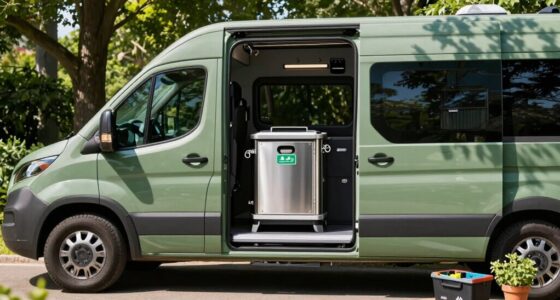
Hoffman showed Out of Spec Reviews an off-road-oriented utility van as a demonstration vehicle. The prototype has removable doors and roof panels, aggressive approach and departure angles, and a raised battery pack intended to improve its breakover angle. Its cabin uses a flat dashboard and floor, with Tesla-style controls and a central touchscreen.
The company says the Badger will be offered as a kit with a VIN, with donor Tesla parts not included, or as a turnkey vehicle assembled by Hoffman. CEO Geoffrey Hoffman told Out of Spec that pricing would vary by configuration; the company’s broad estimate was $24,950 to $82,490. The startup expects it could produce about 100 vehicles per year, but did not give a production start date in the report.
Hoffman says vehicles using Tesla code would retain access to Tesla services, including the Supercharger network, and could be controlled remotely through the Tesla app. Those are company claims about planned functionality; the report does not describe an independently verified production vehicle or confirm the details of how service access would work for every build.
A Second Use for Tesla Donors
The proposal targets two groups: people seeking utility vehicles in body styles not offered by Tesla, and builders interested in reusing parts from salvage or used electric cars. If it works as described, the Badger could make a damaged or otherwise unwanted Tesla donor useful in a different vehicle rather than treating its components solely as replacement parts.
For buyers, the potential trade-off is between customization and the predictability of a mass-produced vehicle. A kit would leave substantial assembly work to the customer, while a turnkey build would depend on Hoffman’s capacity and final specifications. The reported price range is wide, and the company’s estimate does not establish what a specific configuration will cost, whether donor parts are included, or what support and warranty terms will apply.
The project also tests whether a small company can combine existing Tesla electronics and software with a separate chassis and body design. That may offer functionality familiar to Tesla drivers, but the commercial value depends on execution: safety, compatibility, parts supply and reliable service will matter as much as the concept.
Products Worth Considering

DEWALT 20V MAX XR 3-Speed Cordless Impact Driver Kit with Battery and Charger (DCF845P1)
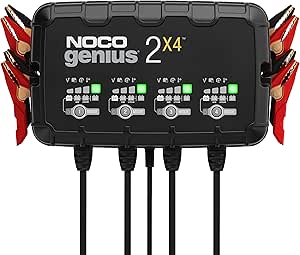
NOCO GENIUS2X4 6V/12V Four-Bank Battery Charger and Maintainer

NOCO Boost X GBX155 4250A 12V Lithium Jump Starter
As an affiliate, we earn on qualifying purchases.
From Tesla Conversions to Badger
Hoffman’s approach is not to convert a Tesla into a conventional version of its original body style. Instead, it proposes taking key components from the automaker’s smaller sedan and crossover and integrating them into a bespoke platform with different bodywork. The first example shown is a utility van, while the company’s stated ambitions include pickups and buses.
The project follows years of interest in electric vehicles built around modular skateboard platforms. Hoffman’s version, as described in the report, relies on parts from existing Tesla vehicles rather than a new, standardized set of components supplied for the Badger. That makes the availability and condition of donor parts relevant to how many vehicles the company can complete.
The Drive’s report compares the expected price range with the Slate pickup and Tesla’s Cybertruck, but those comparisons do not establish a direct match in equipment, performance or production status. The Badger shown is a prototype, and the company’s plans remain distinct from a record of completed customer deliveries.
“The expected pricing is broadly between $24,950 and $82,490, depending on what the buyer wants.”
— Geoffrey Hoffman, CEO of Hoffman, speaking to Out of Spec
Production and Pricing Still Open
The report does not state when production will begin, when customers could receive vehicles, or how many orders Hoffman has taken. It also does not establish whether the company has secured a dependable supply of donor Teslas or how it will handle variations in the condition and compatibility of used components.
Final vehicle specifications, performance, safety certification, warranty coverage and service arrangements remain unclear. The announced price range is an estimate that spans more than $57,000, and Hoffman has not provided firm prices for individual versions. The Supercharger and app functions are described as planned benefits, but the report does not detail eligibility, technical limits or any conditions on access.
The demonstration van is a prototype. Its appearance and features should not be taken as confirmation that all proposed Badger models have been engineered, approved or are ready for sale.
Watch for Build and Delivery Details
The next meaningful developments would be firm details on production timing, final specifications and customer pricing, along with confirmation of how the kit and turnkey options will be delivered. Hoffman would also need to explain how buyers source suitable Tesla donor parts and what assembly, inspection and support are included in each option.
Until those details emerge, the Badger is best understood as a vehicle project with a demonstrated prototype and a stated production ambition, rather than a product with confirmed delivery dates. The company’s ability to turn its plans into completed, supported vehicles remains the central open question.
Key Questions
What is Hoffman’s Badger?
The Badger is Hoffman’s planned platform for using components from Tesla Model 3s and Model Ys in custom vehicles, including vans and pickup trucks. The company has shown an off-road-oriented utility van prototype.
Will buyers be able to build one themselves?
Hoffman says it plans to offer a kit with a VIN for customers to assemble. The kit would not include the Tesla donor parts. The company also plans a turnkey option assembled in-house.
How much is a Badger expected to cost?
CEO Geoffrey Hoffman gave Out of Spec a broad expected range of $24,950 to $82,490, depending on configuration. These are estimates, not confirmed prices for specific vehicles.
When will the Badger be available?
The report does not give a start date for production or customer deliveries. Hoffman has said it expects it could produce about 100 vehicles per year, but that is a company expectation rather than confirmed output.
Will Badger vehicles use Tesla services?
Hoffman says vehicles using Tesla code would support the Supercharger network and remote app controls. The report does not provide details on access conditions or confirm how those features will work on production vehicles.
Source: thedrive.com