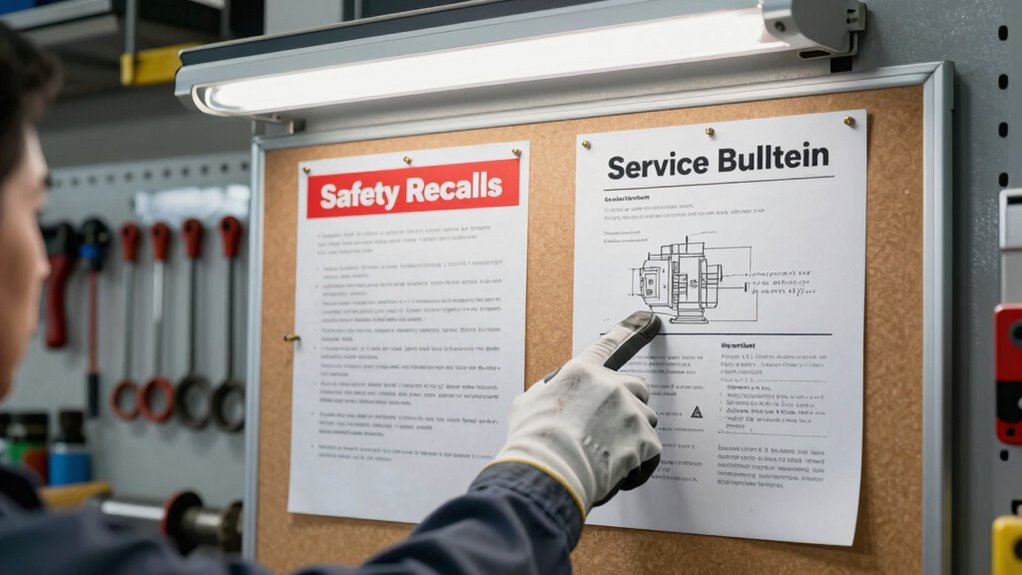

Safety recalls happen when your vehicle has a defect that poses a safety risk, and manufacturers are legally required to fix it for free. Service bulletins, however, are technical guides for repairs that aren’t safety related and don’t always involve free fixes or owner notices. Knowing the difference helps you ensure your vehicle stays safe and reliable. Keep going to discover deeper insights about when and why these notices matter most.
Key Takeaways
- Safety recalls address safety defects requiring free repairs, while service bulletins provide technical guidance for non-safety issues.
- Manufacturers are legally responsible for safety recalls, but service bulletins are informational without legal obligations.
- Recall notices are sent to vehicle owners; service bulletins are shared with dealerships and repair shops.
- Recalls focus on safety risks and compliance, whereas service bulletins cover minor faults and performance improvements.
- Recalls aim to prevent accidents and injuries; service bulletins assist in proper repairs but do not involve safety risks.

Understanding the difference between safety recalls and service bulletins is essential for vehicle owners and technicians alike. When it comes to vehicle safety and maintenance, knowing what each term means helps you make informed decisions and protect yourself on the road. Manufacturers’ liability plays a significant role here. If a defect poses a safety risk, the manufacturer is legally responsible for fixing it, which is where safety recalls come into play. These recalls are issued when a safety defect or non-compliance with safety standards is identified, and the manufacturer is required to notify owners and fix the issue at no cost. Recognizing a recall ensures that you, as a consumer, are aware of potential hazards and can take appropriate action to safeguard yourself and your passengers.
Consumer awareness is critical when it comes to safety recalls. When a recall is announced, manufacturers typically send notices to registered owners and work with dealerships to facilitate repairs. This process underscores the manufacturer’s liability—they are compelled to address the defect to minimize legal and financial repercussions. As a vehicle owner, staying informed about recalls can prevent accidents, injuries, and costly repairs later on. In contrast, service bulletins are different; they are issued by manufacturers to dealerships and authorized repair shops to provide guidance on fixing specific problems that may not be safety-related or do not meet recall criteria. Service bulletins often address issues like minor mechanical faults, software updates, or improvements that don’t pose immediate danger but can affect vehicle performance.
Unlike safety recalls, service bulletins don’t usually involve a legal obligation for the manufacturer to fix the issue free of charge or notify all vehicle owners directly. Instead, they serve as a technical resource to ensure repairs are performed correctly and efficiently. As a vehicle owner, understanding this distinction helps you decide whether a repair might be covered under warranty or if you need to pay out of pocket. It also emphasizes the importance of being proactive in seeking repairs based on service bulletins, especially if you notice symptoms related to the issues described. Recognizing that safety recalls are mandated by law and involve manufacturer liability reassures you that safety-related problems are taken seriously, whereas service bulletins are more about providing technical guidance to improve vehicle reliability. Additionally, staying informed about projector technology can help consumers choose safer, more reliable options when considering vehicle-related safety features or upgrades. Being aware of vehicle safety procedures can further enhance your understanding and response to both recalls and service bulletins, ensuring your safety and that of your passengers. Moreover, regularly checking for vehicle safety updates can help you stay ahead of potential issues and maintain your vehicle’s safety standards.
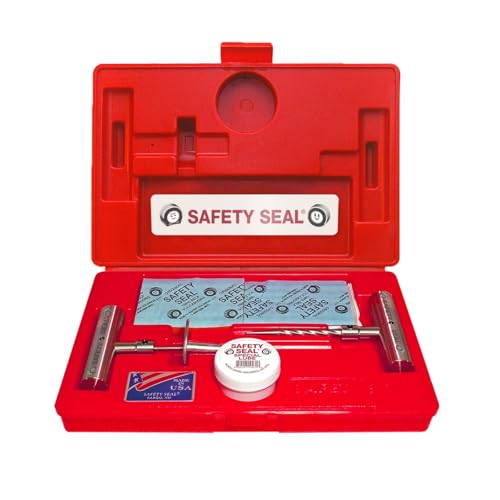
Safety Seal – Auto/LT Deluxe Kit, 30 Standard Repairs (4")
Extra insertion needle
As an affiliate, we earn on qualifying purchases.
As an affiliate, we earn on qualifying purchases.
Frequently Asked Questions
How Are Vehicle Safety Recalls Enforced Legally?
You’re legally enforced to comply with vehicle safety recalls through manufacturer liability laws. When a recall is issued, manufacturers must notify owners and take corrective action, or face penalties. Regulatory agencies, like the NHTSA, ensure recall compliance by monitoring manufacturer responses and enforcing penalties if they fail. This legal framework protects consumers and holds manufacturers accountable, making sure safety issues are addressed promptly and effectively.
Can a Vehicle Be Driven After a Service Bulletin?
You can usually drive your vehicle after a service bulletin, as it’s not mandated by safety standards. Service bulletins address manufacturer concerns but don’t impose legal requirements like safety recalls do. However, if the issue impacts safety, ignoring the bulletin could affect manufacturer liability if an accident occurs. Always check with your dealer or mechanic, and prioritize safety to guarantee your vehicle meets safety standards.
Who Is Responsible for Vehicle Repairs Under Recalls?
Imagine your safety hanging by a thread—that’s how serious recalls are! When a recall happens, the manufacturer is responsible for fixing the issue, making them liable for repairs. You’ll get a recall notification through the official recall notification process, ensuring you’re informed. The manufacturer’s liability means they cover the costs, so you don’t have to worry about expenses, and your vehicle gets the necessary repairs to keep you safe.
Are Service Bulletins Covered by Warranties?
Service bulletins typically aren’t covered by warranties, so repair eligibility depends on your specific warranty coverage. If the manufacturer issued a service bulletin for an issue covered under your warranty, you might qualify for free repairs. However, many service bulletins address common problems that aren’t warrantied, meaning you’d need to pay for repairs out of pocket. Always check your warranty details and discuss with your dealer to understand your repair eligibility.
How Do I Verify if My Vehicle Has an Open Recall?
Think of the recall process as your vehicle’s way of ensuring safety. To verify if your vehicle has an open recall, visit the manufacturer’s website or the National Highway Traffic Safety Administration (NHTSA) database. Enter your Vehicle Identification Number (VIN), and you’ll quickly see any active recalls. Staying on top of this helps maintain your vehicle’s safety and keeps you cruising confidently, knowing any issues are addressed promptly.

Haynes RAM 1500 DT (2019-2022) Repair Manual – Maintenance, Troubleshooting, Wiring Diagrams, Step-by-Step DIY Instructions, and Free Online Access
Complete Vehicle Coverage: Detailed information for all RAM 1500 DT models from 2019 through 2022, including both gasoline…
As an affiliate, we earn on qualifying purchases.
As an affiliate, we earn on qualifying purchases.
Conclusion
Think of safety recalls as the lighthouse guiding you away from dangerous rocks, signaling a clear warning to protect your journey. Service bulletins are more like the compass, offering guidance to fine-tune your vessel and keep it running smoothly. Both symbols remind you that staying informed is your steady hand at the wheel—keeping you safe amid the vast, unpredictable sea of automotive care. Trust these tools to navigate your path with confidence and peace of mind.

GlowShift Elite 10 Color 280 F Water Coolant Temperature Gauge Kit – Includes Electronic Sensor – Black Dial – Tinted Lens – Peak Recall Function – for Car & Truck – 2-1/16" 52mm
GlowShift Elite 10 Color Series Water Temperature Gauge is Designed to Monitor & Display the Coolant Fluid Temperature…
As an affiliate, we earn on qualifying purchases.
As an affiliate, we earn on qualifying purchases.

Vehicle Maintenance Log Book, 110 Car Maintenance & Expense Tracker Record Sheets Plus 36 Service Due Stickers, Car Repair & Service Record Spiral Binding Logbook (5.5” x 7.1”)
110 Sheets Log Book: This vehicle maintenance log book includes 110 record sheets to track repairs, services, fuel…
As an affiliate, we earn on qualifying purchases.
As an affiliate, we earn on qualifying purchases.