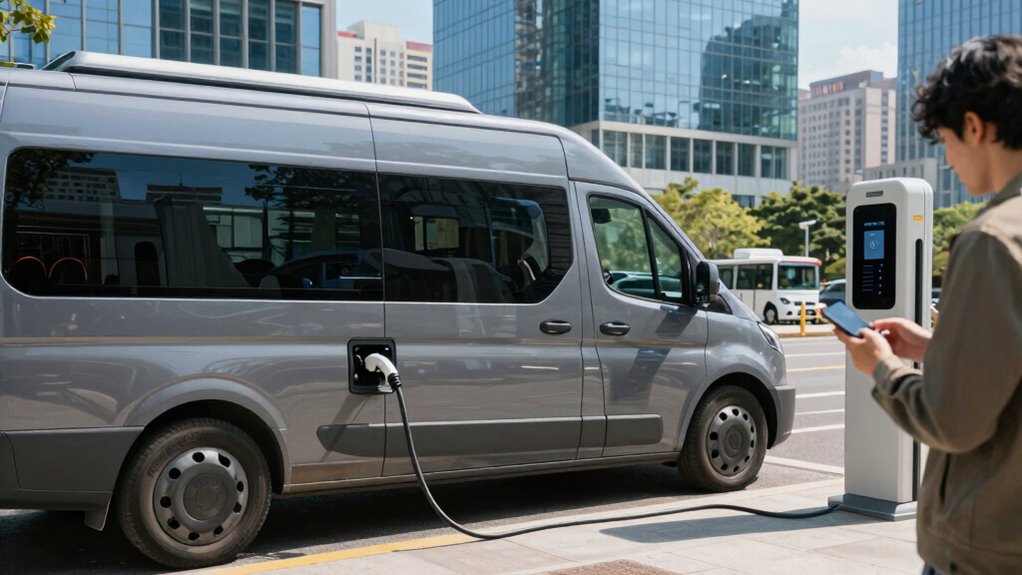

To reduce range stress in your E-Transit, you should plan your routes carefully, using real-time traffic updates to avoid congestion and detours. Know the locations of charging stations, and schedule stops during off-peak hours to keep your vehicle ready. Practice smooth driving habits like maintaining steady speeds and avoiding aggressive acceleration. Regularly review your energy use to spot patterns and optimize future trips. Keep these habits in mind—you’ll discover even more ways to maximize your vehicle’s efficiency as you explore further.

Get business pricing on garage and car supplies
- Business-only prices and quantity discounts
- Tax-exempt purchasing
- Multiple users, one account, clear invoices
Key Takeaways
- Regularly review trip data to identify patterns and optimize future routes for energy efficiency.
- Incorporate strategic charging stops based on planned routes and charging station locations.
- Maintain smooth driving habits, such as consistent speeds and gentle acceleration, to conserve battery power.
- Use real-time traffic updates to adjust routes dynamically and avoid congestion.
- Schedule charging during off-peak hours to ensure vehicle readiness and reduce range anxiety.
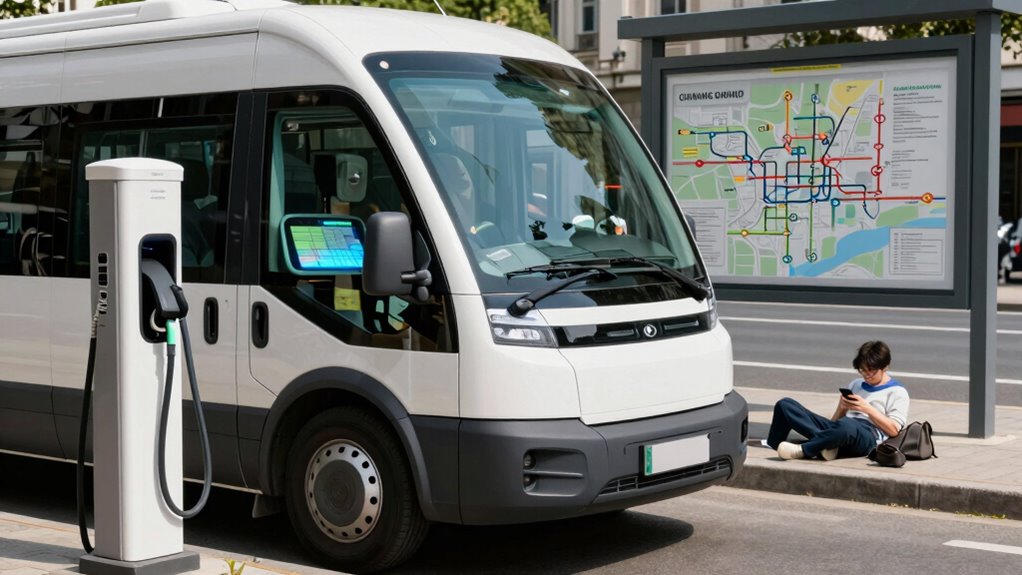
Managing your e-transit routes effectively can make a significant difference in reducing range stress. When you plan your routes carefully, you guarantee that your vehicle’s battery is used efficiently, minimizing the chances of running out of charge unexpectedly. Good battery management starts with understanding your vehicle’s range and how different driving conditions impact it. For example, aggressive acceleration, high speeds, and frequent stops can drain your battery faster. By adopting smoother driving habits and maintaining consistent speeds, you can extend your vehicle’s range and avoid unnecessary trips to charging stations. Incorporating trip optimization into your planning is essential. Before heading out, analyze the route to identify the most efficient path, avoiding unnecessary detours or congested areas that can lead to increased energy consumption. Many navigation tools now offer real-time traffic updates, allowing you to adjust your route on the fly and maintain maximum efficiency.
Careful route planning and smooth driving help maximize your e-transit vehicle’s range and reduce unexpected charge needs.
A key aspect of efficient e-transit planning is understanding where charging stations are located along your route. By knowing the available charging options, you can plan for strategic stops that don’t disrupt your schedule while guaranteeing your battery stays within safe limits. This pre-planning reduces range anxiety because you’re not caught off guard if your battery dips below a certain threshold. It also allows you to schedule charging during off-hours or in-between trips, keeping your vehicle ready for the next day’s demands. Additionally, real-time traffic data can help you adapt your routes dynamically, further conserving energy and reducing range stress. Staying informed about charging infrastructure is crucial for smooth operations and peace of mind.
Another effective habit is keeping your vehicle’s battery healthy through proper management. Avoid letting the battery deplete completely or sit at full charge for extended periods. Regularly charging before reaching critically low levels helps preserve battery longevity, which directly impacts your range. When possible, use fast chargers for quick top-ups, especially if you’re on a tight schedule, but don’t rely solely on them to prevent overuse. Balancing fast charging with slower, overnight charging can prolong your battery’s lifespan and keep your routes running smoothly.
Finally, make a habit of reviewing your trips and energy consumption after each day. Tracking how different routes, driving styles, and external conditions affect your battery allows you to refine your planning process continually. Over time, this data-driven approach helps you identify patterns and make smarter decisions, further reducing range stress. By combining effective battery management with strategic trip optimization, you’ll find that managing your e-transit routes becomes a seamless part of your routine, giving you confidence and peace of mind on every journey.
As an affiliate, we earn on qualifying purchases.
Frequently Asked Questions
How Often Should I Update My Transit Planning Habits?
You should update your transit planning habits regularly to maintain scheduling consistency and reinforce habit formation. Aim to review and adjust your plans whenever your schedule or routes change, ideally every few weeks. Staying adaptable helps you avoid range stress and keeps your routine smooth. Consistent updates guarantee your habits stay reliable, making it easier to navigate your transit options confidently and efficiently over time.
What Tools Are Best for Real-Time Route Adjustments?
Think of your tools as a compass guiding you through unpredictable waters. Use real-time traffic forecasting apps like Google Maps or Waze to anticipate delays and adjust routes on the fly. These tools help optimize your battery by avoiding traffic jams and conserving energy. Keep an eye on battery monitoring apps, and stay flexible—your ability to adapt in real-time guarantees smoother journeys and less range anxiety.
Can Planning Habits Adapt to Unexpected Detours?
Yes, your planning habits can adapt to unexpected detours by emphasizing detour flexibility and maintaining habit consistency. You should stay alert to real-time updates and adjust your route promptly, ensuring minimal range stress. Developing a routine that includes checking for unexpected changes and having alternative routes prepared helps. This consistent approach allows you to handle detours smoothly, keeping your E-transit efficient and reducing range anxiety.
How Do Seasonal Changes Affect Transit Planning?
Seasonal fluctuations can dramatically impact your transit planning, and ignoring weather considerations might leave you stranded. As seasons change, you face unpredictable challenges—icy roads, snow delays, or heat waves—that can alter your route or extend travel times. By staying alert to weather forecasts and adjusting your plans accordingly, you guarantee smooth journeys regardless of seasonal shifts, keeping stress low and reliability high. Don’t let seasonal surprises catch you off guard.
What Are Common Mistakes in E-Transit Planning?
A common mistake in e-transit planning is neglecting battery efficiency, which leads to unexpected range issues. You might also overlook route flexibility, causing vehicles to run out of charge mid-journey. Instead, you should plan routes with charging stations in mind and adjust schedules for ideal battery use. This proactive approach helps reduce range stress, ensuring reliable service and maintaining passenger satisfaction.
As an affiliate, we earn on qualifying purchases.
Conclusion
By adopting this e-transit planning habit, you’ll stay ahead of range anxiety and keep your journeys smooth. Planning ahead isn’t just smart—it’s your secret weapon for stress-free travel. Remember, a stitch in time saves nine, so take the time to map out your routes and charging points. With this simple habit, you’ll be cruising confidently, proving that foresight truly is power on the road. Stay prepared, and let your travels flow effortlessly.
As an affiliate, we earn on qualifying purchases.
As an affiliate, we earn on qualifying purchases.
Fall Picks
fall essentials
As an affiliate, we earn on qualifying purchases.