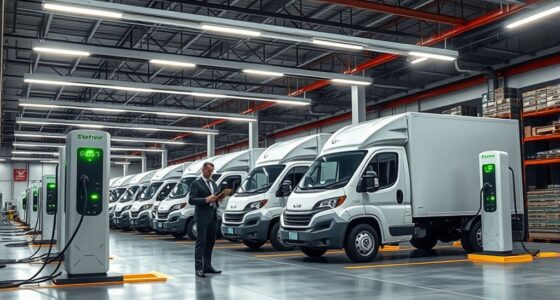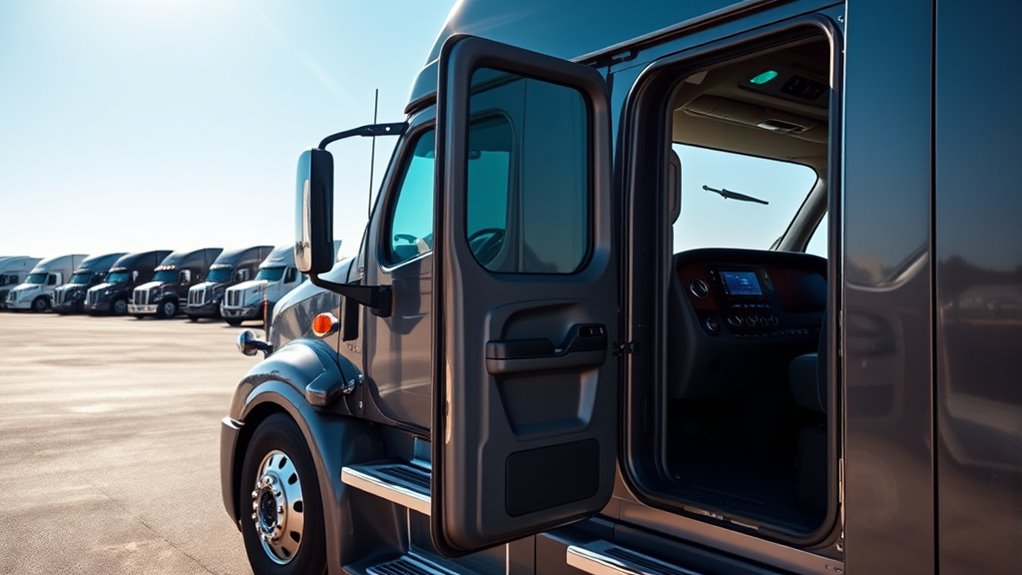

To boost driver retention, focus on offering competitive pay that reflects their skills and effort, along with transparent structures and regular reviews. Manage routes to be predictable and manageable, reducing fatigue and burnout, while providing options to align with driver preferences. Invest in modern equipment, including safety features and tech, to guarantee comfort and safety on the road. If you want to learn how these strategies can be tailored to your operation, keep exploring the key factors involved.
Key Takeaways
- Offering competitive, transparent pay structures and regular wage reviews boosts driver loyalty and reduces turnover.
- Designing predictable, manageable routes minimizes fatigue and burnout, supporting long-term retention.
- Upgrading to modern, well-maintained equipment enhances safety, comfort, and trust with drivers.
- Providing performance bonuses and recognizing efforts foster motivation and job satisfaction.
- Maintaining open communication and promptly resolving equipment or route issues strengthen driver-company relationships.

Why is driver retention such a critical issue for transportation companies today? The answer is simple: losing drivers costs you more than you might realize. High turnover rates lead to increased recruiting expenses, training costs, and disruptions in service quality. When drivers leave, it takes time and resources to find and onboard replacements, which can slow down operations and reduce profitability.
Plus, experienced drivers know your routes, customers, and company standards, so replacing them isn’t just about filling a seat — it’s about maintaining consistency and safety on the road. Retaining your drivers ensures smoother operations, better customer satisfaction, and ultimately, a healthier bottom line.
One of the main factors influencing driver retention is pay. Drivers want to feel fairly compensated for their skills, time, and the demands of their job. Competitive wages motivate drivers to stay because it directly impacts their ability to support themselves and their families. When pay is subpar or inconsistent, drivers often seek better opportunities elsewhere.
Consider implementing transparent pay structures, offering bonuses for safety or performance, and regularly reviewing wages to ensure they’re in line with industry standards. When drivers see that their efforts are recognized and rewarded financially, they’re more likely to remain loyal to your company.
Routes also play a significant role in driver satisfaction. Long, unpredictable, or overly stressful routes can lead to burnout and early departure. You need to design routes that are manageable and predictable, reducing unnecessary fatigue.
Offer your drivers options for preferred routes when possible, and communicate clearly about any changes. Providing routes that allow for regular home time or predictable schedules helps drivers plan their lives outside of work, which boosts morale and loyalty. When drivers feel that their routes are fair and manageable, they’re more inclined to stay with your company long-term.
Equipment setup is another key element that impacts driver retention. Outdated or poorly maintained trucks can make drivers’ jobs physically demanding and unsafe. Regular maintenance, modern equipment, and ergonomic setups show drivers that you value their safety and comfort.
Invest in technology that makes driving easier, such as GPS systems, safety features, and user-friendly controls. When drivers are comfortable and confident in their equipment, they’re less likely to seek opportunities elsewhere.
In addition, providing support for equipment upgrades and promptly fixing issues fosters trust and demonstrates your commitment to their well-being.

7'' GPS Navigator for Car Truck RV – 2026 North America Maps Free Lifetime Updates, Touchscreen Navigation System, Speed & Red Light Warning, Turn-by-Turn Voice Guidance, for All Cars (Blue)
【Lifetime Free Map Updates】The GPS navigator comes preloaded with the latest 2026 edition maps of North America (USA,…
As an affiliate, we earn on qualifying purchases.
As an affiliate, we earn on qualifying purchases.
Frequently Asked Questions
How Does Company Culture Influence Driver Retention?
You’ll find that a positive company culture boosts driver retention by making drivers feel valued and supported. When your company promotes open communication, recognizes achievements, and fosters a sense of community, drivers are more likely to stay.
A respectful, inclusive environment encourages loyalty and reduces turnover. By prioritizing culture, you create a workplace where drivers feel motivated, satisfied, and enthusiastic to grow with your company long-term.
What Role Does Driver Recognition Play in Retention?
Did you know that 69% of drivers say recognition boosts their job satisfaction? Recognition plays a pivotal role in retention by making drivers feel valued and appreciated.
When you acknowledge their efforts, it boosts morale and loyalty, encouraging them to stay longer. Regular praise and rewards create a positive environment where drivers feel motivated and connected to your company, ultimately reducing turnover and building a stronger, more committed team.
How Do Training Programs Impact Driver Loyalty?
Training programs boost your driver loyalty by making you feel valued and confident in your skills. When you receive ongoing training, you’re more likely to stay committed because you see the company investing in your growth.
It also helps you stay up-to-date with safety standards and industry changes, reducing frustration.
Ultimately, well-designed training fosters a sense of belonging and trust, encouraging you to stick around longer.
What Are Effective Communication Strategies for Drivers?
Communication is your bridge across a busy river, helping drivers navigate smoothly. You should listen actively, show empathy, and provide clear, concise updates regularly.
Use multiple channels like texts, calls, and face-to-face talks to reach everyone. Encourage feedback and address concerns promptly.
When drivers feel heard and understood, they’re more engaged and loyal, making your team stronger and more connected, like a well-oiled machine.
How Does Work-Life Balance Affect Driver Satisfaction?
Work-life balance considerably boosts your driver satisfaction by reducing stress and preventing burnout. When your employer offers flexible schedules, adequate time off, and support for personal needs, you feel more valued and motivated.
This balance helps you stay energized, focused, and engaged in your work, leading to higher job satisfaction. Prioritizing your well-being fosters loyalty, improves performance, and encourages you to stay longer with the company.
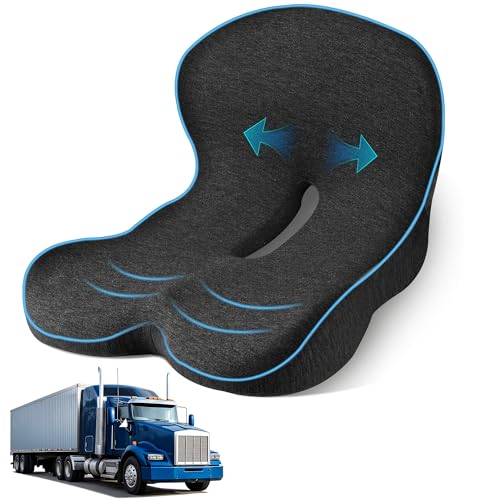
jpinlr Truck Driver Seat Cushion, Memory Foam L-Shaped Ergonomic Cushion for Office Chairs, Comfort & Support for Long Sitting
【Ergonomic Design】Designed with an ergonomic structure that follows the natural curves of your lower back and hips. Dual-zone…
As an affiliate, we earn on qualifying purchases.
As an affiliate, we earn on qualifying purchases.
Conclusion
Think of your drivers as the engine that keeps your business running smoothly. When you invest in fair pay, reliable routes, and first-rate equipment, you’re fueling their dedication and loyalty. Neglect these, and the engine stalls. By prioritizing their needs, you create a powerful momentum that keeps your fleet moving forward. Remember, a well-maintained engine isn’t just a machine — it’s the heartbeat of your success. Keep it strong, and watch your business thrive.

Buyers Products 5233000YEL 3 Rung Yellow Retractable Truck Step, High Visibility Non Slip Truck Ladder for Trucks, Trailers, Semis, Powder Coated Steel, Slide in Storage, Bolt On or Weld On Install
HIGH VISIBILITY YELLOW: Bright yellow powder coated finish enhances safety and visibility on the job
As an affiliate, we earn on qualifying purchases.
As an affiliate, we earn on qualifying purchases.
![Route Planner: Trip Planning Software [ Windows 95 / 98 / NT 4.0 / Me / 2000 ]](https://m.media-amazon.com/images/I/611e1cm0ZOL._SL500_.jpg)
Route Planner: Trip Planning Software [ Windows 95 / 98 / NT 4.0 / Me / 2000 ]
As an affiliate, we earn on qualifying purchases.
As an affiliate, we earn on qualifying purchases.