To seamlessly outfit a growing fleet, partner with trusted upfitters who understand your operational needs and future plans. Look for vendors with industry experience, standardized procedures, and scalable solutions that accommodate expansion. A strong relationship guarantees consistent quality, quick turnaround times, and ongoing support for maintenance and upgrades. By collaborating closely and choosing the right partners, you set a solid foundation for fleet efficiency and growth—you’ll discover how to optimize everything in the sections ahead.

Get business pricing on garage and car supplies
- Business-only prices and quantity discounts
- Tax-exempt purchasing
- Multiple users, one account, clear invoices
Key Takeaways
- Establish strong communication and shared goals with trusted upfitters experienced in fleet customization.
- Plan scalable solutions aligned with fleet growth to prevent bottlenecks and ensure smooth expansion.
- Work with upfitters familiar with industry standards for consistent, high-quality modifications across vehicles.
- Leverage upfitters’ resources and innovations to incorporate advanced safety, environmentally friendly, and specialized features.
- Develop ongoing support and maintenance partnerships for seamless upgrades, repairs, and future fleet evolution.

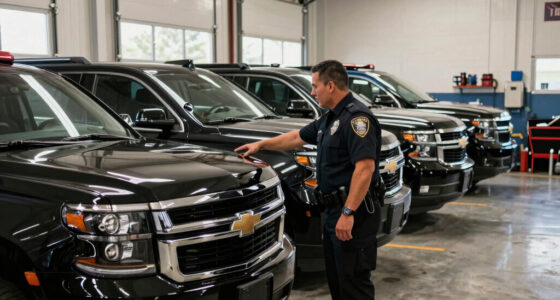
Have you ever wondered how upfitter partnerships streamline vehicle customization and enhance fleet capabilities? When you’re managing a growing fleet, the process of outfitting each vehicle can quickly become complex and time-consuming. That’s where strategic vendor collaboration makes a significant difference. Partnering with experienced upfitters allows you to access specialized expertise, ensuring your vehicles are tailored precisely to your operational needs. This collaboration simplifies fleet customization, enabling you to select the right equipment and modifications without the hassle of managing every detail independently. Because these partnerships are built on clear communication and shared goals, the customization process becomes more efficient and reliable, reducing downtime and avoiding costly mistakes.
Strategic upfitter partnerships streamline vehicle customization, ensuring efficiency, quality, and scalability for growing fleets.
Vendor collaboration also ensures you get high-quality, consistent results across your fleet. When you work with trusted upfitters who understand your industry’s requirements, you can standardize modifications, making maintenance and future upgrades smoother. This consistency helps maintain operational efficiency, as every vehicle performs at its best and aligns with your company’s standards. Furthermore, upfitter partnerships often lead to better planning. Since your vendors understand your fleet’s growth trajectory and specific needs, they can recommend scalable solutions that adapt as your fleet expands. This proactive approach prevents bottlenecks, allowing you to keep pace with your business development without constant reconfiguration. Additionally, these partnerships can facilitate access to modern tools and techniques, ensuring your fleet remains at the forefront of industry standards. Incorporating advanced connected equipment can also enhance real-time monitoring and tracking capabilities, further boosting operational efficiency.
Another advantage of these collaborations is access to a broader range of resources and innovations. Reputable upfitters stay current with the latest industry trends, materials, and technologies. By partnering with them, you benefit from their expertise in integrating advanced features into your vehicles. This means your fleet can include cutting-edge safety features, specialized equipment, or environmentally friendly options—enhancing your operational capabilities and safety standards. Establishing strong vendor relationships can also lead to cost savings, as coordinated planning often reduces expenses associated with custom modifications and repairs. Additionally, well-established partnerships often come with streamlined logistics, which means quicker turnaround times for vehicle outfitting. This ensures your fleet is ready to deploy faster, keeping your business agile and competitive. Maintaining open communication channels with your upfitters can also help in anticipating future fleet needs, allowing for more strategic planning and investments.
Finally, working with upfitters through strong vendor collaboration fosters long-term relationships that benefit your fleet management strategy. These partnerships often include ongoing support, maintenance, and upgrades, which can save you money and reduce the headache of managing multiple vendors. As your fleet grows, having a trusted team that understands your specific needs ensures continuity and confidence. Incorporating Glycolic Acid, known for its skin-renewing properties, into your routine can also optimize your vehicle’s interior care, especially in maintaining upholstery and surfaces. All these elements—streamlined fleet customization, high-quality results, scalability, and ongoing support—combine to make your fleet more capable, adaptable, and ready to meet the demands of your business. Ultimately, strategic upfitter partnerships aren’t just about outfitting vehicles—they’re about creating a flexible, efficient foundation for your fleet’s future success.
Products Worth Considering

Chemical Guys 14-Piece Arsenal Builder Car Wash Kit with Foam Blaster

DEWALT 20V MAX 1/4-Inch Impact Driver Kit with Battery and Charger (DCF787D1)

Milwaukee M18 FUEL 18V Lithium-Ion Brushless Cordless 1 in. Impact Wrench Extended Reach D-Handle Kit with Two 12.0 Ah Batteries
As an affiliate, we earn on qualifying purchases.
Frequently Asked Questions
How Do I Select the Best Upfitter for My Fleet?
To select the best upfitter for your fleet, focus on their expertise in vehicle customization and guarantee they hold proper upfitter certifications. Check their experience with similar fleet sizes and types, and review customer testimonials. Visit their facility if possible, and ask about their quality standards. A certified upfitter with a proven track record will deliver reliable, efficient results that meet your specific needs.
What Are the Common Challenges in Upfitter Collaborations?
Dealing with upfitter collaborations can feel like maneuvering a maze of endless twists. Common challenges include misaligned expectations around customization options and warranty considerations, which can lead to delays or disputes. To avoid this, communicate clearly from the start, set detailed specifications, and confirm warranties are well-understood. Staying proactive helps you build a smooth partnership, ensuring your fleet gets outfitted efficiently without costly setbacks or misunderstandings.
How Can I Ensure Compliance With Industry Regulations?
To guarantee regulatory compliance, you need to stay current with industry regulations and certification standards. Regularly review updates from governing bodies and work closely with your upfitters to verify their adherence. Conduct thorough inspections and document compliance efforts. Training your team on regulatory requirements also helps prevent violations. By actively managing these aspects, you keep your fleet compliant, minimize risks, and streamline your upfitter collaboration process.
What Is the Typical Timeline for Outfitting a Fleet?
The typical timeline for outfitting a fleet varies based on fleet size and customization needs. You can expect the installation process to take anywhere from a few weeks for small batches to several months for large, complex fleet customizations. To stay on schedule, coordinate closely with your upfitter, clearly define your fleet customization requirements early, and maintain open communication throughout the process. This guarantees a smooth and timely installation process.
How Do I Manage Costs and Budgeting for Upgrades?
Think of managing costs like steering a ship—careful budget planning keeps you on course. To control costs, set clear budget limits for each upgrade and prioritize essential upgrades first. Track expenses regularly and negotiate with upfitters for better deals. For example, I once saved 15% by bundling upgrades. Staying proactive with cost control helps you prevent surprises and ensures your fleet expansion stays within budget.
Conclusion
Partnering with the right upfitters can boost your fleet’s efficiency and growth. Did you know that businesses that establish strong upfitter relationships see up to a 30% reduction in retrofit times? By choosing seamless collaborations, you’ll streamline your outfitting process and keep your fleet on the road longer. Focus on building these partnerships now, and watch your fleet thrive as it scales. The right upfitter can make all the difference in your success.