
As a smaller fleet, you face unique challenges like limited vehicles and tight schedules. Without proper processes, disorganized operations lead to wasted time, mistakes, and missed opportunities. Streamlining your routines through automation and real-time data helps you stay efficient, reduce costs, and make better decisions. Instead of chaos, better procedures improve service quality and support growth. Keep going to discover how implementing smarter processes can transform your fleet’s success.

Get business pricing on garage and car supplies
- Business-only prices and quantity discounts
- Tax-exempt purchasing
- Multiple users, one account, clear invoices
Key Takeaways
- Smaller fleets have limited resources, making organized processes essential to maximize efficiency and reduce costly errors.
- Streamlined procedures prevent chaos, ensuring predictable operations and better communication among team members.
- Better processes enable real-time data visibility, allowing quick decision-making and proactive issue resolution.
- Automating routine tasks reduces manual errors and frees time for strategic growth initiatives.
- Structured workflows support sustainable growth and competitiveness without the complexity of larger operations.
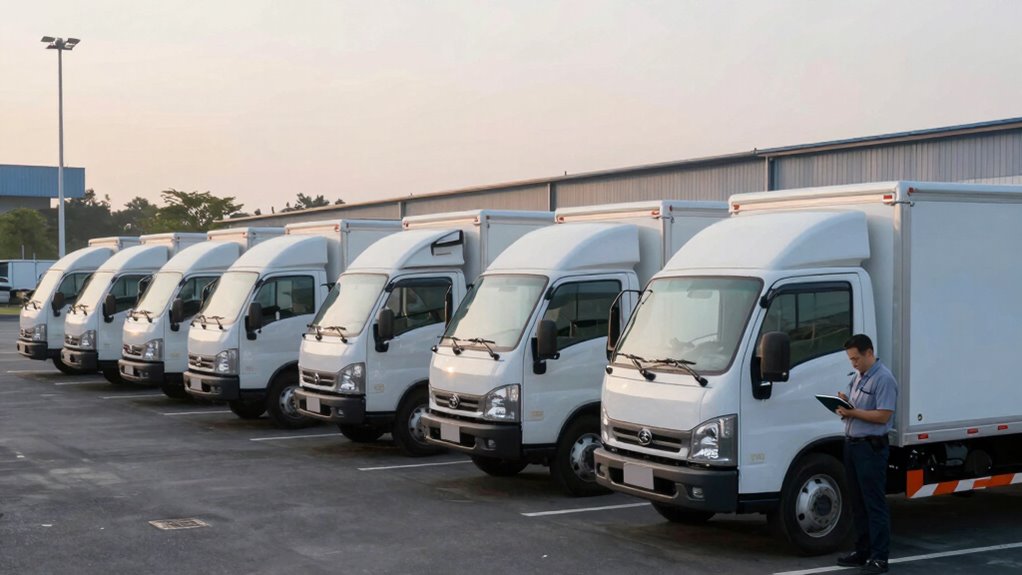
Smaller fleets often face unique challenges that larger operations can easily overlook, making efficient processes essential for staying competitive. When you’re managing a limited number of vehicles, every decision, route, and maintenance schedule counts. Disorganized procedures can quickly lead to wasted time, increased costs, and missed opportunities. That’s why focusing on effective fleet management is critical. Rather than trying to do everything manually or relying on outdated methods, you need to streamline your operations to maximize efficiency.
Process automation plays an essential role in helping smaller fleets stay organized and responsive. Automating routine tasks like scheduling maintenance, tracking fuel consumption, and updating driver logs reduces the risk of errors and frees up your time. Instead of juggling paperwork or trying to remember every detail, automation systems handle these tasks seamlessly. This not only improves accuracy but also allows you to focus on strategic decisions that can grow your business. For example, automated route planning can optimize deliveries, saving fuel and reducing driver fatigue, which are fundamental for smaller fleets with limited resources.
Automation reduces errors, saves time, and optimizes routes for smaller fleets’ efficiency and growth.
Implementing proper fleet management tools can also give you better visibility into your operations. With real-time data dashboards, you can monitor vehicle locations, driver performance, and maintenance needs at a glance. When you have instant access to this information, you can make quicker, more informed decisions. This agility helps you respond to issues before they escalate, keeping your fleet running smoothly. Without efficient processes in place, you might find yourself reacting to problems rather than preventing them, which can lead to costly downtime. Utilizing fleet management tools can dramatically improve your operational oversight. Additionally, adopting digital solutions can further enhance your ability to track and analyze fleet data, leading to smarter decision-making. Incorporating automated reporting can also help identify recurring issues and optimize your maintenance schedules. Moreover, integrating data-driven strategies ensures your fleet operations are continuously improving through informed insights.
Additionally, embracing process automation and streamlined fleet management helps foster consistency. When everyone follows the same procedures, your fleet operates more predictably. This consistency makes it easier to track costs, maintain compliance, and plan for future growth. It also improves communication among drivers, dispatchers, and managers, ensuring everyone stays on the same page. Without well-defined processes, small fleets risk chaos, miscommunication, and inefficiency, which can hurt your bottom line.
In essence, your smaller fleet needs more structure, not more chaos. By investing in smart fleet management strategies and embracing process automation, you can create a more organized, productive operation. This approach minimizes errors, saves time, and ultimately supports sustainable growth. You don’t need to be a big company to run a tight, well-managed fleet. With the right processes in place, you can compete effectively, deliver better service, and keep your business moving forward.
As an affiliate, we earn on qualifying purchases.
Frequently Asked Questions
How Can Small Fleets Effectively Implement Scalable Processes?
To effectively implement scalable processes, start with streamlined fleet onboarding that clearly communicates expectations and procedures. Invest in thorough driver training to guarantee safety and efficiency. Use technology to automate routine tasks and track performance, allowing your fleet to grow without chaos. Regularly review and refine your processes, involving drivers for feedback. This approach keeps your small fleet organized, adaptable, and prepared for expansion.
What Technology Tools Are Best for Small Fleet Management?
You should prioritize technology tools that enhance real-time tracking and driver communication. GPS fleet management systems offer live location updates, helping you optimize routes and improve efficiency. Pair this with driver communication apps to guarantee quick, clear messaging, reducing misunderstandings and delays. These tools help you stay connected, make informed decisions, and streamline operations, ultimately saving time and costs while maintaining better control over your small fleet.
How Do Better Processes Reduce Operational Costs?
Better processes are your secret weapon, like a well-tuned engine, to cut costs. You’ll improve driver safety, reducing accidents and insurance premiums, while optimizing fuel use to lower expenses. Streamlining routes, maintenance, and driver training helps prevent costly delays and repairs. When your fleet operates smoothly, you save money and boost efficiency, proving that smart processes are the fuel that drives your success, not chaos.
What Are Common Pitfalls in Small Fleet Operations?
You might overlook fleet safety protocols or ignore driver feedback, leading to common pitfalls in small fleet operations. Poor communication, inconsistent maintenance, and inadequate safety training can cause accidents and reduce driver retention. When you focus on streamlining processes, you improve safety standards, keep drivers engaged, and prevent costly mistakes. Addressing these issues early helps maintain a reliable, efficient fleet, boosting both safety and driver satisfaction.
How Quickly Can Process Improvements Impact Fleet Efficiency?
You can see improvements in fleet efficiency within weeks of implementing process automation. A recent study shows that small fleets can boost productivity by up to 25% through streamlined workflows. By focusing on fleet optimization, you’ll reduce downtime, lower costs, and enhance safety. The key is acting quickly—adopting better processes accelerates your gains, making your fleet more agile and competitive in just a short period.
As an affiliate, we earn on qualifying purchases.
Conclusion
Imagine steering a small boat through choppy waters—you need a clear map and steady hands, not more waves crashing around you. When your fleet’s size is manageable, chaos isn’t inevitable; it’s a sign you’re missing streamlined processes. By refining your methods, you’ll navigate smoothly, avoiding the storm of disorganization. Better processes act as your compass, guiding you safely through rough waters and letting your fleet sail confidently toward success.
vehicle maintenance tracking tools
As an affiliate, we earn on qualifying purchases.
As an affiliate, we earn on qualifying purchases.
As an affiliate, we earn on qualifying purchases.
Halloween Picks
halloween
As an affiliate, we earn on qualifying purchases.