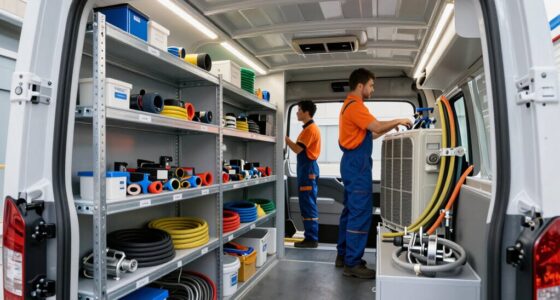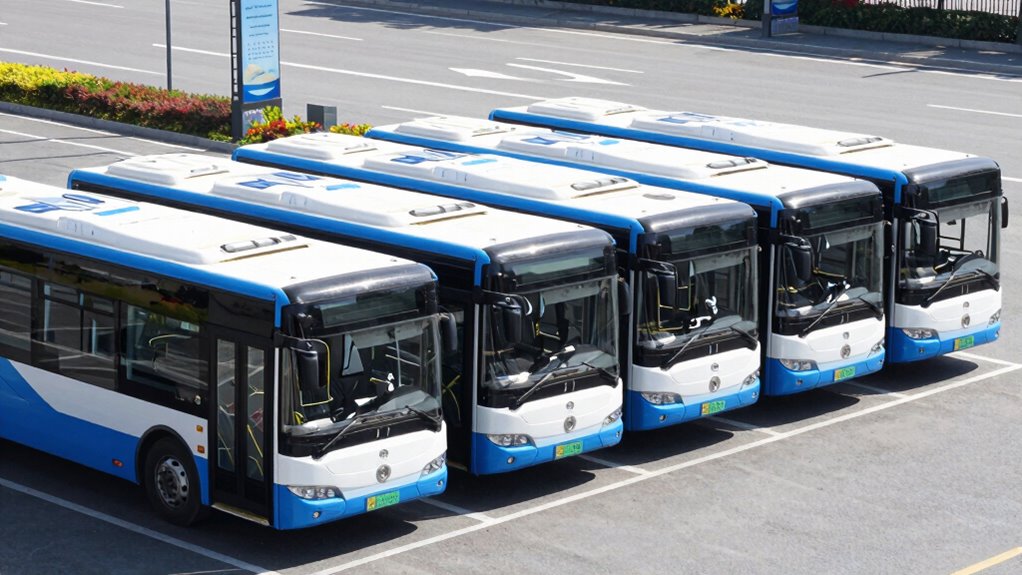

Standardization makes managing transit fleets easier because it creates uniform safety protocols, maintenance procedures, and operational workflows. When you follow consistent processes, you reduce confusion, improve safety, and cut down on maintenance downtime. It also helps track performance, stay compliant, and communicate more effectively across teams. As a result, your fleet becomes more reliable and efficient. Keep exploring how standardization can strengthen your transit system and simplify your day-to-day tasks.

Get business pricing on garage and car supplies
- Business-only prices and quantity discounts
- Tax-exempt purchasing
- Multiple users, one account, clear invoices
Key Takeaways
- Standardization ensures uniform procedures, reducing driver errors and enhancing overall safety.
- It streamlines maintenance, predicting parts replacement and minimizing vehicle downtime.
- Consistent processes simplify data collection, tracking performance, and maintaining compliance.
- It improves operational management by making daily tasks more manageable and cohesive.
- Standardization builds a sustainable system supporting long-term safety, efficiency, and growth.
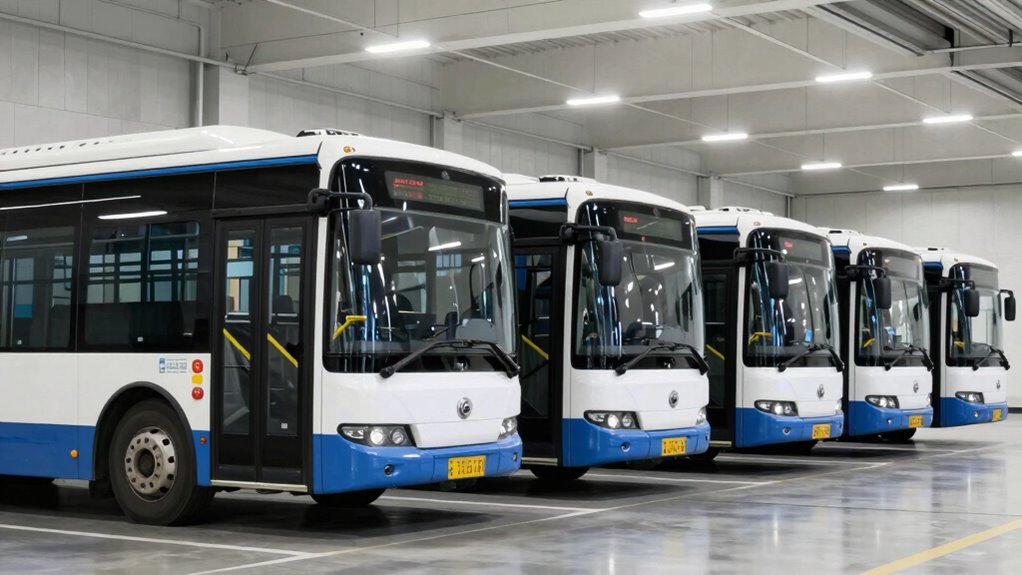
Driver training becomes much more effective when standards are in place. When all drivers follow the same procedures, safety improves because they’re trained on specific, consistent protocols. This reduces the chances of accidents caused by unfamiliarity or inconsistent practices. Standardized training programs ensure every driver receives the same information about vehicle operation, safety measures, and customer service. As a result, your team operates more confidently and safely, fostering a culture of reliability across your fleet. Implementing training standards further enhances consistency and effectiveness in driver education.
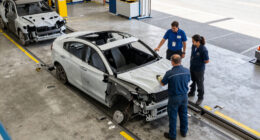
Consistency in fleet maintenance is another key benefit of standardization. When maintenance schedules, tools, and repair procedures are uniform, you can predict when parts need replacing, avoid unnecessary downtime, and extend the lifespan of your vehicles. This predictability also helps in planning budgets more accurately. With standardized maintenance routines, your technicians know exactly what to do and when, reducing the likelihood of overlooked issues and emergency repairs. Over time, this leads to better fleet reliability and operational continuity. Additionally, standardized procedures streamline communication among team members, ensuring everyone is on the same page regarding maintenance tasks and priorities. Moreover, adopting consistent practices helps build a proactive maintenance culture, further reducing unexpected breakdowns.
Furthermore, standardization simplifies data collection and analysis. When all vehicles and processes follow the same standards, it’s easier to track performance metrics, identify trends, and implement improvements. You can quickly compare vehicle efficiency, maintenance costs, and driver performance, enabling smarter decision-making. This consistency also facilitates compliance with safety regulations and industry standards, ensuring your fleet remains in good standing with authorities.
In essence, standardization acts as the backbone for a well-run transit fleet. It makes day-to-day operations more manageable and allows you to focus on growth and service quality. You’ll find that managing fleet maintenance becomes less burdensome, driver training more cohesive, and overall operations more reliable. By implementing uniform standards, you create a foundation that supports safety, efficiency, and long-term sustainability, making your transit system easier to run and more effective for everyone involved.
fleet maintenance management software
As an affiliate, we earn on qualifying purchases.
As an affiliate, we earn on qualifying purchases.
Frequently Asked Questions
How Does Standardization Impact Fleet Maintenance Costs?
Standardization reduces your fleet maintenance costs by streamlining procedures and minimizing parts inventory. When you use standardized parts across vehicles, you experience cost reduction through bulk purchasing and fewer unique components to stock. This simplifies inventory management, decreases downtime, and speeds up repairs. As a result, your maintenance becomes more efficient and affordable, saving you money and keeping your transit fleet running smoothly with less hassle.
What Are the Challenges of Implementing Fleet Standardization?
Imagine trying to fit a square peg into a round hole—that’s what fleet standardization can feel like. You face challenges like balancing fleet customization needs with strict regulatory compliance, which can clash with uniformity. Implementing standards means coordinating diverse vehicle types and meeting varied regulations, all while maintaining operational efficiency. This delicate dance requires careful planning, adaptable policies, and a clear understanding of your fleet’s unique demands.
How Does Standardization Affect Driver Training Programs?
Standardization improves driver training programs by promoting driver consistency, making it easier to teach and reinforce standard procedures. You’ll find training becomes more efficient because new drivers quickly learn uniform systems and safety protocols, reducing errors. With standardized vehicles and processes, your team spends less time on individual instruction, ensuring everyone is on the same page faster. This streamlines onboarding, enhances safety, and keeps your fleet running smoothly.
Can Standardization Improve Fleet Safety?
Think of your fleet as a well-tuned orchestra—standardization keeps everyone playing in harmony. It improves fleet safety by ensuring vehicle ergonomics are consistent, reducing driver fatigue and errors. Plus, it simplifies regulatory compliance, so your team follows safety standards effortlessly. When all parts align, accidents decrease, and safety becomes second nature, making your transit service safer and more reliable for everyone on the road.
What Technologies Facilitate Fleet Standardization Efforts?
You can facilitate fleet standardization efforts through technologies like vehicle telematics and predictive analytics. Vehicle telematics provides real-time data on vehicle performance, aiding consistency across your fleet. Predictive analytics helps identify maintenance needs before issues arise, ensuring uniform operating conditions. Together, these tools streamline operations, improve safety, and reduce costs by enabling you to monitor, analyze, and optimize fleet performance efficiently and consistently.
standardized transit vehicle parts
As an affiliate, we earn on qualifying purchases.
As an affiliate, we earn on qualifying purchases.
Conclusion
Imagine a bustling transit yard where buses and trains, like synchronized dancers, glide seamlessly on shared tracks and parts. Standardization acts as the choreographer, simplifying maintenance, repairs, and operations. With fewer surprises and smoother coordination, your fleet runs like a well-oiled machine, ready to carry passengers effortlessly through city streets. When everything fits together perfectly, you create a reliable, efficient system that keeps your city moving—fast, safe, and without a hitch.
As an affiliate, we earn on qualifying purchases.
fleet performance tracking tools
As an affiliate, we earn on qualifying purchases.
As an affiliate, we earn on qualifying purchases.
Halloween Picks
halloween
As an affiliate, we earn on qualifying purchases.