Regularly flushing your transit’s brake fluid keeps your braking system safe and effective. Over time, moisture can get into the fluid, causing it to become contaminated and lose its ability to perform. This can lead to spongy brakes, longer stopping distances, or even brake failure. Typically, it’s time for a fluid flush every 2 to 3 years or when you notice warning signs. Continue to explore to learn more about maintaining peak brake performance.

Get business pricing on garage and car supplies
- Business-only prices and quantity discounts
- Tax-exempt purchasing
- Multiple users, one account, clear invoices
Key Takeaways
- Regular brake fluid flush prevents moisture buildup, corrosion, and maintains optimal braking performance.
- Flushing every 2 to 3 years removes contaminated fluid, ensuring safety and preventing brake system failures.
- Signs like a spongy pedal or increased stopping distance indicate it’s time for a brake fluid replacement.
- Using high-quality, vehicle-specific brake fluid maintains system reliability and prolongs component lifespan.
- Professional brake fluid service ensures proper bleeding and replacement, enhancing long-term vehicle safety.
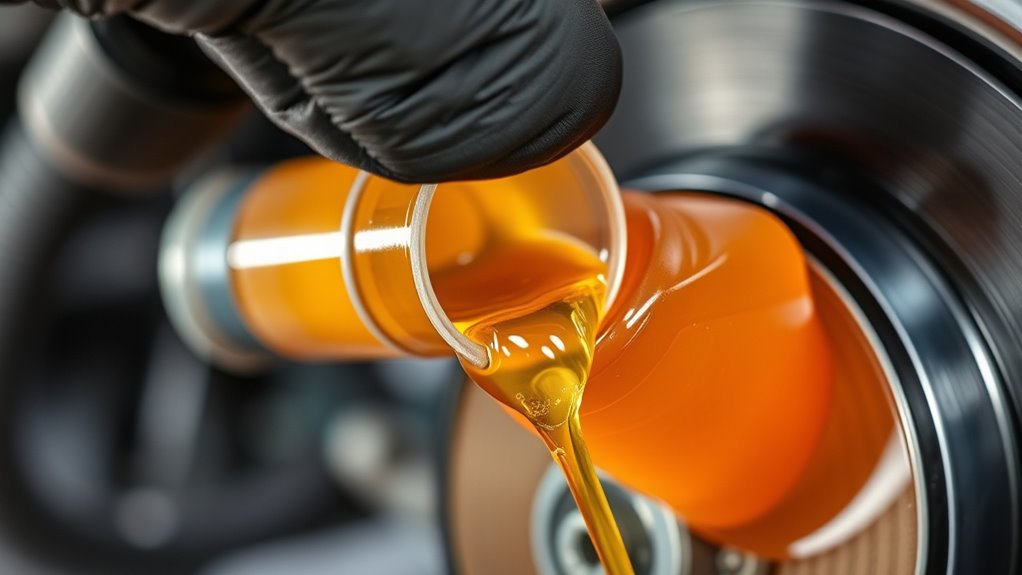
Ever wondered how to keep your vehicle’s braking system in top shape? One of the most essential steps is regular brake system maintenance, and that includes knowing when to perform a brake fluid flush. Over time, the brake fluid in your vehicle can become contaminated, which diminishes its effectiveness and can jeopardize your safety. When brake fluid gets old or contaminated, it’s less capable of transferring the force from your brake pedal to the brake components, leading to a spongy pedal feel or delayed braking response. That’s why staying on top of fluid replacement is critical.
Brake fluid naturally absorbs moisture from the air, even within a sealed system. This fluid contamination, caused by water ingress, reduces the fluid’s boiling point, making it more susceptible to vapor lock under hard braking. Vapor lock occurs when the moisture in the fluid turns into vapor, compressing under pressure and causing a spongy brake pedal or even brake failure. Regularly flushing the brake fluid removes this contaminated fluid and replaces it with fresh, high-quality fluid, restoring peak braking performance. It’s not just about replacing old fluid; it’s about preventing potential safety hazards caused by fluid degradation over time. Proper maintenance of your brake system also helps prevent corrosion within components, extending their lifespan.
You should consider a brake fluid flush every two to three years, depending on your driving habits and the manufacturer’s recommendations. Heavy city driving, frequent stops, or towing can accelerate fluid contamination, meaning you might need more frequent flushes. If you notice a soft or sinking brake pedal, increased stopping distances, or your brake warning light comes on, it’s a clear sign that your brake fluid needs urgent attention. These symptoms indicate that the fluid may be contaminated or has absorbed too much moisture, compromising the brake system’s effectiveness. Regularly performing a brake fluid flush also helps prevent corrosion within the system, safeguarding your vehicle’s vital components. Additionally, ensuring the use of high-quality brake fluid meeting your vehicle’s specifications is essential for optimal performance. Maintaining proper fluid condition is crucial for reliable braking, especially in demanding driving conditions.
Performing a brake fluid flush isn’t a complicated process, but it’s best left to professionals who can ensure it’s done correctly. They will remove all the old fluid, bleed the system thoroughly, and replace it with fresh fluid that meets your vehicle’s specifications. This process helps prevent corrosion within the brake components and ensures your braking system functions reliably when you need it most. Regular brake system maintenance can significantly extend the lifespan of your braking components and improve overall safety. Remember, neglecting fluid contamination can lead to costly repairs down the line, so regular maintenance is an investment in your safety and your vehicle’s longevity.
In short, keeping up with brake system maintenance by performing a brake fluid flush at appropriate intervals is essential. It ensures your brake fluid remains free of contamination and maintains its ability to keep you safe on the road. Don’t wait until you experience braking issues—stay proactive and schedule regular brake fluid replacements to maintain peak braking performance. Regular maintenance also helps fluid degradation, which can compromise the entire braking system.
As an affiliate, we earn on qualifying purchases.
Frequently Asked Questions
Can I Perform a Brake Fluid Flush Myself?
Yes, you can perform a DIY brake fluid flush yourself if you have basic mechanical skills and the right tools. You’ll need to carefully follow the steps to avoid air entering the brake system, which can compromise safety. Make sure to use the correct brake fluid type for your Transit. This task helps maintain your brake system’s performance and safety, but if you’re unsure, it’s best to consult a professional.
How Long Does a Brake Fluid Flush Typically Take?
Think of brake fluid maintenance like changing the oil—timing matters. A typical flushing process takes about 30 to 45 minutes, depending on your vehicle and experience. You might find it quicker if you’re experienced, but for most, it’s a solid half-hour to guarantee all old fluid is replaced properly. This time ensures the brake system’s safety and efficiency, preventing costly repairs down the road.
What Are the Signs of Contaminated Brake Fluid?
You’ll notice contaminated brake fluid if it turns dark or murky, indicating dirt and moisture buildup. Check the brake fluid color; fresh fluid is usually clear or light amber. Also, pay attention to the smell—burnt or unusual odors suggest contamination. These signs mean it’s time for a brake fluid flush, helping maintain your vehicle’s braking performance and safety. Regular checks can prevent costly repairs down the line.
Is a Brake Fluid Flush Necessary for Newer Vehicle Models?
A brake fluid flush is often necessary even for newer vehicle models to ensure your brake system functions safely and efficiently. Regular fluid maintenance prevents moisture buildup and contamination, which can compromise braking performance. Check your owner’s manual for specific intervals, but generally, a flush every 2-3 years is recommended. Keeping your brake system well-maintained helps avoid costly repairs and keeps you safe on the road.
Can Poor Brake Fluid Affect Other Braking System Components?
Imagine your vehicle’s brake pedal feels spongy or unresponsive—that’s a sign poor brake fluid could be affecting your braking system components. Brake fluid contamination can lead to braking system corrosion, damaging parts like the master cylinder or brake calipers. This corrosion weakens braking performance and can cause costly repairs. Regular brake fluid flushes prevent contamination, protect components, and guarantee your braking system functions safely and effectively.
high quality brake fluid for cars
As an affiliate, we earn on qualifying purchases.
As an affiliate, we earn on qualifying purchases.
Conclusion
Keeping up with brake fluid flushes is like tending a garden—you might not see the immediate weeds, but neglecting them invites trouble. Regularly replacing your transit’s brake fluid ensures your stopping power remains sharp and reliable, preventing costly repairs down the road. Don’t let dirty fluid be the silent thief of safety; stay proactive, follow your vehicle’s maintenance schedule, and keep your brakes humming like a well-oiled machine. Your safety depends on it.
As an affiliate, we earn on qualifying purchases.
As an affiliate, we earn on qualifying purchases.
Halloween Picks
halloween
As an affiliate, we earn on qualifying purchases.