
To keep your steering smooth for the long haul, regularly check your power steering fluid levels and look for leaks. Make sure the fluid is at the proper level and topped up with the correct type if needed. Watch for signs like unusual noises or fluid puddles, which could indicate a leak. Addressing low fluid and leaks early helps prevent damage and keeps your steering responsive. If you want to learn more about maintaining your system, keep going.
Key Takeaways
- Regularly check the power steering fluid level using the reservoir dipstick or transparent container.
- Top up with the specified fluid type to maintain optimal steering responsiveness.
- Inspect for leaks around hoses, seals, and the pump to prevent fluid loss and steering issues.
- Listen for unusual noises like whining or squealing, indicating low fluid or pump problems.
- Schedule routine maintenance and system diagnostics to ensure long-term smooth steering performance.
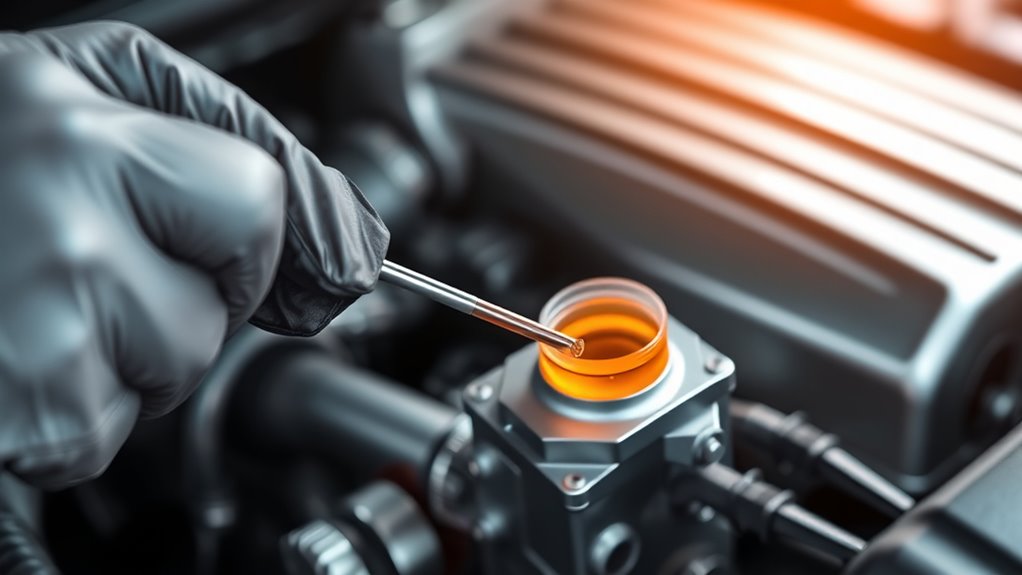
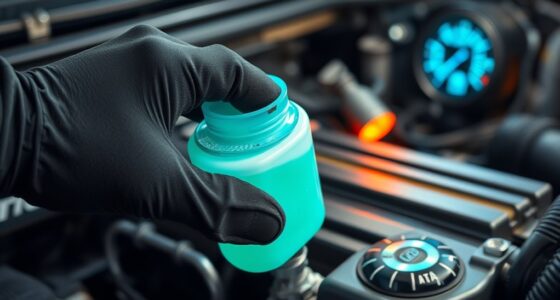
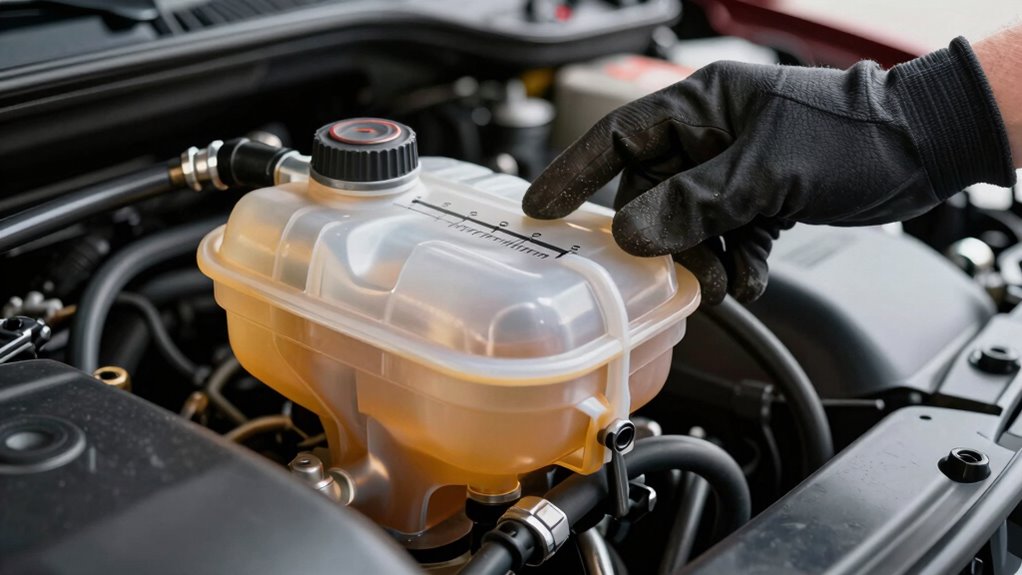
Maintaining proper power steering fluid levels is vital for smooth and responsive steering. When your fluid level is adequate, your steering system can operate efficiently, making turns effortless and reducing wear on components. Conversely, low fluid levels can lead to stiff steering, strange noises, and even damage to the power steering pump. That’s why regular checks are a must. Start by locating the power steering fluid reservoir, which is usually transparent or has a dipstick. Check the fluid level against the marked indicators, ensuring it’s within the recommended range. If it’s low, top it up with the specified fluid type for your vehicle. Remember, always use the correct fluid; using the wrong type can cause system damage or reduce performance.
Leak detection plays a vital role in maintaining proper fluid levels. If you notice your fluid level consistently dropping, it’s a clear sign that you might have a leak somewhere in the system. Leaks often occur at hose connections, seals, or the pump itself, and if left unaddressed, they can lead to more severe issues like complete steering failure. To detect leaks, visually inspect the entire power steering system, paying close attention to hoses, fittings, and the area around the pump. Look for signs of fluid on engine components or on the ground underneath your vehicle. A sudden loss of fluid or puddles beneath your car indicates a leak that needs immediate attention. Don’t ignore these signs, as continuing to drive with a leak can cause the pump to overheat or fail, leading to costly repairs. Incorporating system diagnostics can help identify hidden issues early on. When checking for leaks, also listen for unusual noises such as whining or squealing when turning the steering wheel. These sounds often point to low fluid levels or a failing pump caused by insufficient lubrication. If you suspect a leak but can’t find any visible signs, consider having a professional perform a pressure test on the system. This test can reveal hidden leaks and confirm whether your fluid levels are adequate, helping you prevent future problems. Additionally, glycolic acid benefits can be used in vehicle maintenance routines to help keep certain parts like the hoses and seals in good condition by promoting healthier, more resilient materials. Regularly monitoring your power steering fluid level and inspecting for leaks is also supported by preventative maintenance, which can extend the lifespan of your steering components. Being aware of fluid contamination is also crucial, as dirty or degraded fluid can impair system performance and cause additional wear. Regular checks and timely maintenance ensure your steering system remains responsive, safe, and reliable for the long haul.
Frequently Asked Questions
How Often Should I Change My Power Steering Fluid?
You should change your power steering fluid every 30,000 to 60,000 miles, but always follow your vehicle’s maintenance schedule. Regular fluid replacement helps prevent steering issues and prolongs system life. Check your owner’s manual for specific recommendations, as some vehicles might need more frequent maintenance. Monitoring fluid condition and topping it off as needed also helps maintain smooth steering and avoids costly repairs down the line.
Can Low Power Steering Fluid Cause Steering to Feel Stiff?
Yes, low power steering fluid can cause steering stiffness, making it harder to turn your wheel smoothly. When fluid reduction occurs, the hydraulic assistance diminishes, resulting in increased effort needed to steer. Regularly checking your power steering fluid level helps prevent this issue. If you notice stiffer steering, it’s a sign to top off or inspect for leaks, ensuring your steering remains responsive and easy to handle.
What Are the Signs of a Leaking Power Steering Fluid?
Think of your car’s power steering as a delicate dance—any leak throws off the rhythm. Signs of a leaking power steering fluid include fluid puddles beneath your vehicle and a leaking hose. You might notice difficulty turning the wheel or whining noises when you steer. If you see bright or dark fluid spots on the ground, it’s time to check your fluid level and inspect hoses for leaks.
Is It Safe to Top off Power Steering Fluid Myself?
Yes, you can safely top off your power steering fluid yourself as part of DIY maintenance, but make sure to verify fluid compatibility first. Always use the recommended fluid type for your vehicle to avoid damage. Before adding fluid, ensure your engine is cool and follow the instructions in your owner’s manual. If you’re unsure, consulting a professional is a smart move to prevent potential issues.
Does Using the Wrong Type of Fluid Damage the Power Steering System?
Using the wrong type of fluid can definitely damage your power steering system. If the fluid isn’t compatible with your system, it may cause fluid leaks, reduce lubrication, and lead to system corrosion. Always check your vehicle’s specifications and use the recommended fluid to prevent damage. Incorrect fluid can compromise steering performance and cause costly repairs, so it’s essential to use the right type for your vehicle.
Conclusion
Keeping your power steering fluid in check is like giving your car a gentle handshake—ensuring smooth handling and preventing future problems. Regularly inspecting and topping off the fluid keeps your steering responsive and your drives stress-free. Don’t let low fluid levels turn your steering into a rocky road; instead, stay on top of maintenance and enjoy the ride. Remember, a little attention today keeps your steering smooth as silk tomorrow.