
To keep your transmission running smoothly, ask your mechanic if your transmission fluid needs changing and if a diagnostic test is advisable. Check if the fluid levels are sufficient and in good condition, free of contamination and burnt smell. Also, inquire about signs of potential issues so you can catch problems early. Staying proactive about these questions can help prevent costly repairs and extend your transmission’s life—more important tips await as you explore further.

Get business pricing on garage and car supplies
- Business-only prices and quantity discounts
- Tax-exempt purchasing
- Multiple users, one account, clear invoices
Key Takeaways
- Ask if your transmission fluid needs replacement to prevent contamination and wear.
- Inquire about diagnostic testing to identify potential issues early.
- Confirm if fluid levels and quality are adequate for optimal performance.
- Request guidance on signs indicating transmission problems before failure occurs.
- Discuss preventative maintenance steps to extend transmission lifespan and avoid costly repairs.
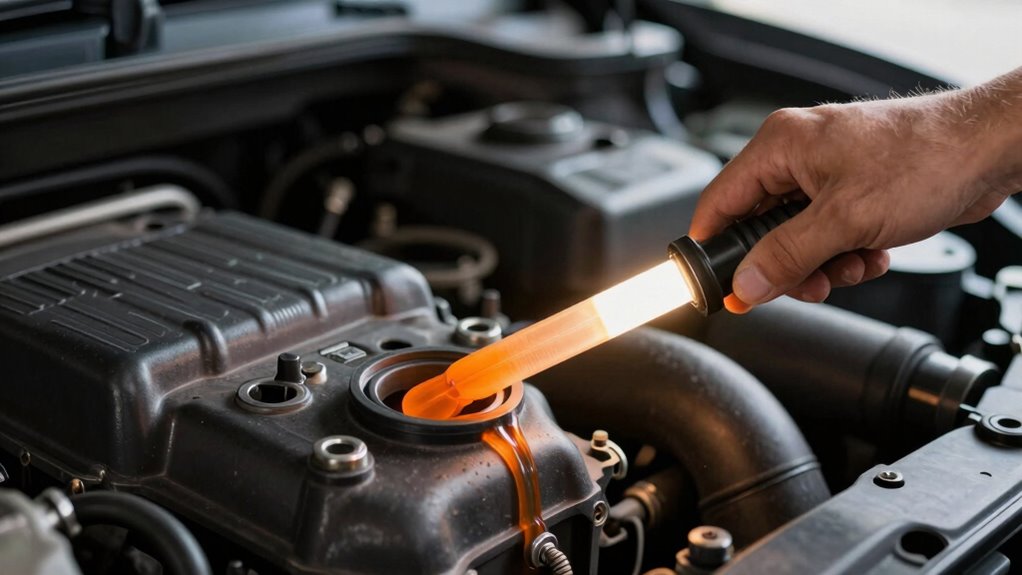
Are you experiencing issues with your vehicle’s transmission or simply wondering how it works? Many car owners overlook the importance of regular transmission maintenance, but asking the right questions can save you time and money in the long run. One of the most overlooked yet crucial steps is a fluid check. Transmission fluid acts as the lifeblood of your transmission system, lubricating moving parts and helping to keep everything running smoothly. If you haven’t checked your fluid level recently, it’s worth doing so to catch potential problems early. Low or dirty fluid can cause shifting difficulties, slippage, or even complete transmission failure. During a fluid check, look for signs of contamination, burnt smell, or discoloration, which indicate that a fluid change might be overdue or that there’s an underlying issue needing professional attention.
Beyond just checking the fluid, a diagnostic test is an essential tool that more owners should be asking about. Many times, transmission problems aren’t immediately obvious until they worsen, but a diagnostic test can pinpoint the root cause before symptoms become severe. This test involves connecting a specialized scanner to your vehicle’s onboard computer system, which reads error codes related to the transmission. These codes can reveal issues like sensor malfunctions, solenoid problems, or electronic control unit (ECU) faults that might otherwise go unnoticed. Regular transmission maintenance can help detect issues early and prevent costly repairs. Additionally, understanding the role of transmission fluid in maintaining proper function can motivate owners to stay vigilant with fluid levels and quality. Keeping an eye on fluid condition is a simple yet effective way to gauge your transmission’s health.
Asking whether your transmission needs a fluid change or a diagnostic test isn’t just about maintenance—it’s about prevention. Regular fluid checks and diagnostic tests can extend the lifespan of your transmission and improve overall vehicle performance. Many owners don’t realize that transmission problems often start subtly, with slipping gears or delayed engagement, but early detection can prevent these issues from escalating. When you bring your vehicle in for service, inquire specifically about these procedures. Not only will it help ensure your transmission is in good shape, but it also demonstrates a proactive approach to vehicle care that can save you money and hassle down the road.
In short, the questions you should be asking your mechanic go beyond just “Is my transmission working?” Focus on preventative measures like fluid checks and diagnostic tests. These simple, proactive steps can help you maintain a healthy transmission, avoid unexpected breakdowns, and keep your vehicle running smoothly for years to come.
As an affiliate, we earn on qualifying purchases.
Frequently Asked Questions
How Often Should I Have My Transmission Inspected?
You should have your transmission inspected at least once a year or every 30,000 to 60,000 miles, depending on your vehicle’s manufacturer recommendations. During inspections, check the transmission fluid level and verify it’s clean and at the proper level. Also, monitor transmission temperature regularly to prevent overheating. If you notice slipping or delays, get an inspection sooner to address potential issues early and keep your transmission running smoothly.
What Are Signs of Transmission Fluid Leaks?
Imagine your transmission as a vital bloodline; leaks are like silent wounds. You’ll notice a drop in fluid level, often pooling beneath your vehicle, or a burning smell indicating overheating. Slipping gears or strange noises also signal trouble. For leak detection, look for puddles or wet spots around the transmission area. If you spot these signs, it’s essential to address fluid leaks promptly to prevent costly damage and keep your vehicle running smoothly.
Can Transmission Problems Be Fixed Without a Full Replacement?
Yes, many transmission problems can be fixed without a full replacement. You might need a transmission fluid change to improve shifting and prevent further damage. Sometimes, a clutch adjustment helps especially in manual transmissions to restore proper engagement. Regular maintenance like fluid changes and clutch adjustments can often resolve issues early, saving you money and time, and extending your transmission’s lifespan. Always consult a professional mechanic for accurate diagnosis and repairs.
How Does Driving Style Affect Transmission Health?
Your driving style directly impacts your transmission’s health. Aggressive driving habits, like rapid acceleration and harsh gear shifting, put extra strain on the transmission components. Smooth gear shifting and gradual acceleration help reduce wear and tear, extending its lifespan. By adopting gentle driving habits, you preserve your transmission, avoid costly repairs, and guarantee your vehicle runs efficiently for longer. Proper driving habits make a significant difference in transmission longevity.
What Is the Average Cost of Transmission Repair or Replacement?
The average cost of transmission repair or replacement varies widely, typically between $1,000 and $4,000, depending on your vehicle and the extent of the damage. Regularly checking transmission fluid and smooth gear shifting can prevent costly repairs. If you ignore signs like slipping gears or delayed shifts, you might face higher expenses. Staying proactive helps preserve your transmission’s health and keeps repair costs manageable.
automatic transmission diagnostic scanner
As an affiliate, we earn on qualifying purchases.
As an affiliate, we earn on qualifying purchases.
Conclusion
By asking the right questions about your transmission service, you’re not just ticking boxes—you’re taking control of your vehicle’s health. Don’t wait for problems to snowball; be proactive before small issues turn into big headaches. Remember, a stitch in time saves nine. Keep your car running smoothly and avoid costly repairs down the road by staying informed and asking the right questions now. Your future self will thank you for it.
As an affiliate, we earn on qualifying purchases.
As an affiliate, we earn on qualifying purchases.
Halloween Picks
halloween
As an affiliate, we earn on qualifying purchases.