
TL;DR

Get garage and car supplies delivered free — and shop member deals
- Fast, free delivery on millions of items
- Access to Prime Big Deal Days deals on October 6–7
- Prime Video, Amazon Music and more included
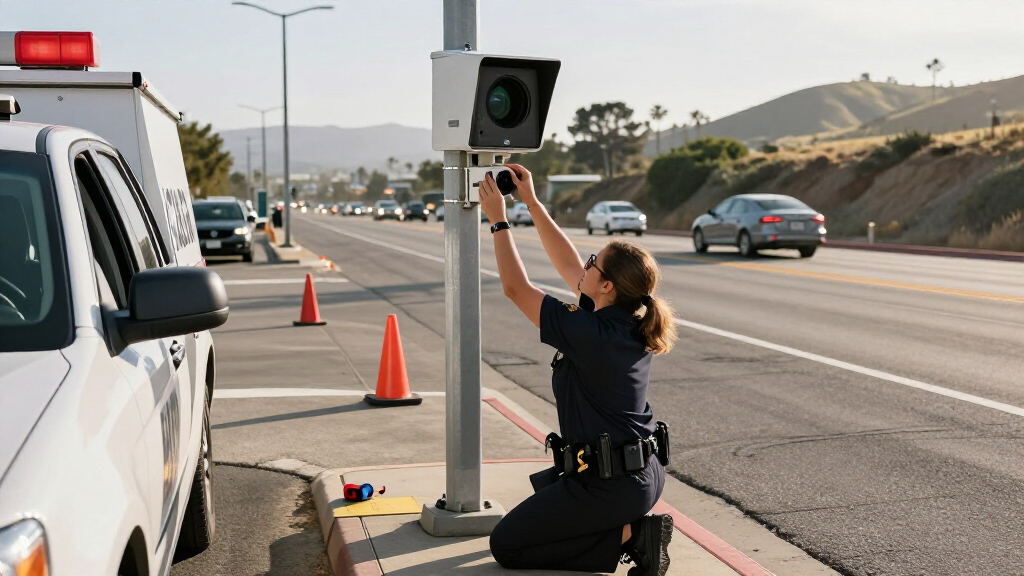
Four speed cameras recorded approximately 100,000 speeding infractions during a 10-day trial in Malibu in September, according to city officials. No warnings or citations were issued, and Malibu delayed the next phase while it studies traffic patterns in Carbon Canyon and Tuna Canyon.
Malibu has delayed the warning phase of its planned speed-camera pilot after four cameras recorded approximately 100,000 speeding infractions during a 10-day trial in September, city officials said. The readings were not citations: the cameras have not issued warnings, accessed driver information from the DMV or taken enforcement action, and the city says it needs more time to study traffic patterns in Carbon Canyon and Tuna Canyon.
The trial covered locations in Malibu, where the city is preparing a camera-based enforcement program focused on Pacific Coast Highway. According to the report by The Drive, citing KTLA and city information, most of the recorded violations came from eastern Malibu. The city has not released a detailed breakdown in the source material of speeds, locations or individual camera counts.
Malibu had planned to begin a warning period after the trial. Instead, officials postponed that phase to review existing traffic patterns and make necessary installation changes. The city told KTLA that it would continue evaluating the information as it completes the work and studies, with the stated aim of implementing the program in support of public safety.
Under the planned rules described in the report, enforcement would apply to drivers going at least 11 mph over the posted limit. Proposed fines rise by speed: $50 for 11 to 15 mph over, $100 for 16 to 25 mph over, $200 for 26 mph or more, and $500 for speeds of 100 mph or more. These are planned penalties, not charges issued during the trial.
Why Malibu Is Reviewing the Readings
The trial’s reported volume gives Malibu a substantial set of observations to examine before it begins issuing warnings or citations. The city’s decision to delay the next phase means the readings are being treated as a reason for further traffic review, rather than as a basis for immediate enforcement. That distinction matters to drivers: no one was fined or cited based on the trial, and its results do not themselves establish that individual drivers committed an enforceable offence.
The planned system could change how speeding on the city’s main coastal route is monitored. If it proceeds, motorists could face fines for qualifying speeds, while the city says revenues would be limited to system costs and Pacific Coast Highway safety activity. The high trial count also leaves practical questions about how violations are distributed across roads and times, and whether the camera locations and program design need adjustment before enforcement begins.
As an affiliate, we earn on qualifying purchases.
From Trial to Planned Enforcement
The September trial was a preliminary stage of a speed-camera pilot Malibu expected to implement in the fall. The cameras were operating and could flash as vehicles passed, but the city said they were not issuing warnings or citations, drawing driver information from DMV records or taking enforcement action. The warning period was due to follow the trial, but the reported count prompted officials to pause that schedule for additional review.
A city newsletter, as quoted in The Drive’s report, said the planned system would not add license points or affect insurance, and that privacy protections would apply. It also said program funds would go only toward the cost of the system and Pacific Coast Highway safety work, with performance and data reported regularly to the Public Safety Commission and the public. Those statements describe the city’s planned program; the source material does not document how those commitments have been implemented.
“The cameras are not currently issuing warnings or citations, accessing driver information from the DMV, or taking enforcement action.”
— City of Malibu, in a statement cited by KTLA
car radar detector with speed camera alerts
As an affiliate, we earn on qualifying purchases.
As an affiliate, we earn on qualifying purchases.
Details Still Missing From the Trial
The source material does not specify the exact locations and speed thresholds used to count the trial readings, whether each recorded event represented a distinct vehicle, or how the approximately 100,000 total was distributed by camera and time of day. It also does not provide the traffic-study findings or explain what installation changes remain.
Malibu has not announced a new start date for the warning period in the information provided. The city’s planned fine schedule, privacy protections and reporting commitments are described in the report, but the trial itself did not test citation processing or show how the program will operate once enforcement begins.
As an affiliate, we earn on qualifying purchases.
Traffic Studies Before Warnings Begin
The city says it will continue reviewing the trial data, studying traffic patterns in Carbon Canyon and Tuna Canyon, and completing installation changes. The next reported milestone is a decision about when to begin the warning period; no revised date is available in the source material.
Malibu has also said it plans to report program performance and data regularly to the Public Safety Commission and the public. Details from those reviews could clarify where the readings occurred and how the city intends to proceed. Until the warning phase begins, the trial’s recorded infractions remain observations, not issued warnings or citations.
As an affiliate, we earn on qualifying purchases.
Key Questions
How many speeding infractions did the Malibu trial record?
The city reported approximately 100,000 recorded infractions over 10 days in September, using four cameras. The source does not give a per-camera or day-by-day breakdown.
Were drivers fined or cited during the trial?
No. The city said the cameras were not issuing warnings or citations, accessing DMV driver information or taking enforcement action during the trial.
Why has Malibu delayed the warning period?
The city said it wants to study traffic patterns, including in Carbon Canyon and Tuna Canyon, and complete necessary installation changes before moving ahead.
What fines are planned if the system begins enforcement?
The reported proposed schedule is $50 for 11 to 15 mph over the limit, $100 for 16 to 25 mph over, $200 for 26 mph or more, and $500 for 100 mph or more. These are planned penalties; no trial citations were issued.
When will the warning phase start?
The source material does not provide a revised start date. The city says it will continue its traffic studies and installation work before implementing the program.
Source: rss
Halloween Picks
halloween
As an affiliate, we earn on qualifying purchases.