You should never brush off warning lights like the check engine, brake, tire pressure, or battery alerts in your transit vehicle. Ignoring these signals can cause costly repairs, unsafe conditions, and unexpected breakdowns that can disrupt your schedule. Responding promptly and understanding what each light indicates is essential for safety and maintenance. Staying attentive to these warnings helps prevent bigger problems down the line—keep exploring to learn how to handle them effectively.

Get business pricing on garage and car supplies
- Business-only prices and quantity discounts
- Tax-exempt purchasing
- Multiple users, one account, clear invoices
Key Takeaways
- Always address the check engine light promptly to prevent severe engine damage.
- Never ignore the brake warning light; it indicates critical brake system issues.
- Respond immediately to tire pressure warnings to avoid blowouts or accidents.
- Heed battery warning signals to prevent electrical failures and breakdowns.
- Treat any warning lights as urgent; delayed responses can lead to costly repairs and safety risks.
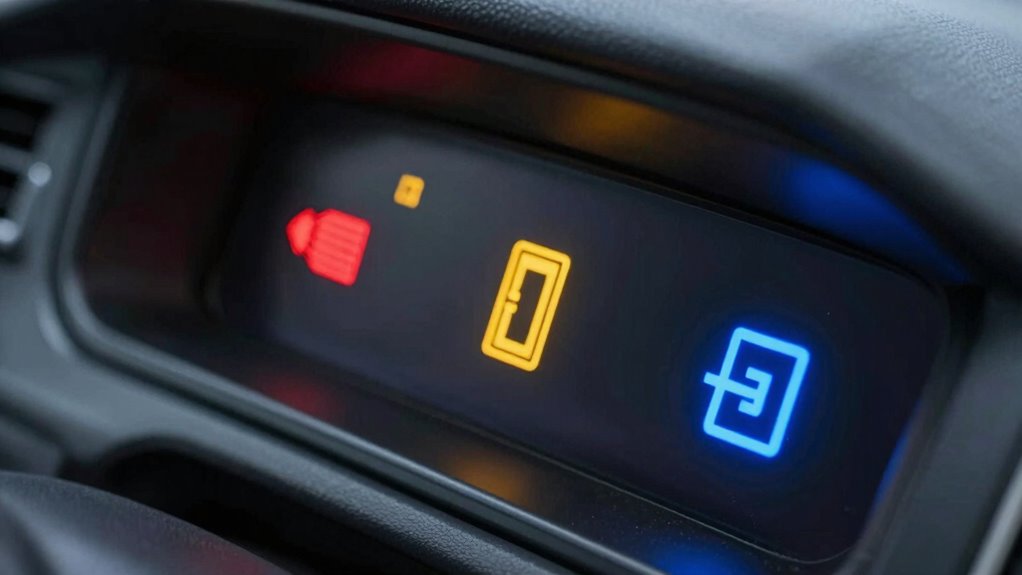
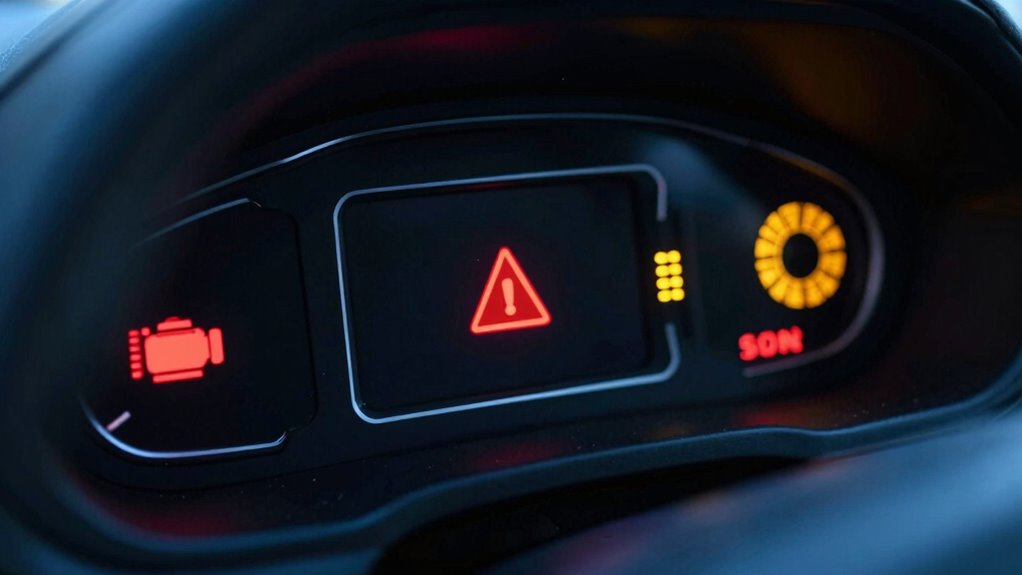
When you’re behind the wheel of a transit vehicle, ignoring warning lights can lead to costly repairs or dangerous breakdowns. These lights are more than just indicators; they’re vital signals that something isn’t right and needs your immediate attention. Recognizing which warning lights demand prompt action can save you time, money, and potentially lives. It’s essential to follow proper maintenance tips and safety protocols to handle these signals correctly. For example, if you see the check engine light flicker on, it’s a clear sign that your engine management system detects a fault. Ignoring it can lead to severe engine damage, increased emissions, or even a complete breakdown on the road. Regular maintenance tips, like routine inspections and oil changes, help prevent these issues from escalating, but when the warning light appears unexpectedly, you must act swiftly.
Similarly, the brake warning light is critical. If it illuminates, it indicates a problem with your braking system, such as low brake fluid, worn brake pads, or a malfunctioning ABS. Safety protocols require you to stop safely and check the brake system immediately—driving with compromised brakes can cause accidents or further damage. Don’t dismiss these signals as minor inconveniences; they’re there to protect you and your passengers. Other important lights include the tire pressure warning, which signals under-inflated tires that reduce grip and increase the risk of blowouts, and the battery warning light, indicating electrical issues that could leave you stranded. Each warning light has a specific meaning, and understanding them allows you to prioritize repairs and avoid more extensive damage. Recognizing warning light signals and their significance can help you respond more effectively in urgent situations.
If you encounter warning lights during your shift, your first step should be to consult your vehicle’s manual for the exact meaning. Following the correct safety protocols involves not only understanding what each light signals but also knowing how to respond. It’s also helpful to be aware of vehicle maintenance practices that can prevent many of these issues from occurring unexpectedly. Proper diagnostic procedures can help identify underlying problems early, saving time and expense. For some issues, you might need to pull over safely and call for roadside assistance or maintenance support. Additionally, understanding early warning signs can help you address problems before they become emergencies. Being proactive about preventative maintenance can significantly reduce the likelihood of warning lights appearing unexpectedly. In all cases, ignoring these signals can lead to unsafe driving conditions, increased vehicle downtime, and costly repairs. Staying vigilant and adhering to maintenance tips ensures you keep your transit vehicle in optimal condition. Remember, early detection and proper response are key to avoiding serious problems, keeping your routes safe, and maintaining a reliable service.
check engine light diagnostic tool
As an affiliate, we earn on qualifying purchases.
As an affiliate, we earn on qualifying purchases.
Frequently Asked Questions
Can Warning Lights Indicate Future Mechanical Failures?
Yes, warning lights on your dashboard indicators can signal potential future mechanical failures. When maintenance alerts appear, they’re telling you that something isn’t quite right and needs attention before it worsens. Ignoring these signs can lead to more costly repairs or breakdowns. Always take alert lights seriously, check your transit’s manual, and address the issue promptly to keep your vehicle running smoothly and safely.
Are Warning Lights Different for Various Transit Models?
Warning lights do differ for various transit models due to differences in transit lighting systems and design specifications. You’ll find that model variations influence the appearance, placement, and meaning of warning signals. It’s essential to familiarize yourself with each model’s warning lights to avoid misinterpretation. Always consult the transit’s manual or guidance to understand specific warning signals, ensuring you respond promptly and appropriately to any alerts.
How Often Should Warning Lights Be Checked or Reset?
You should check and reset dashboard indicators regularly, ideally during each maintenance schedule or service. It’s crucial to follow your transit’s specific maintenance guidelines to make sure warning lights are addressed promptly. Frequent checks help catch issues early, preventing costly repairs or safety hazards. Always reset warning lights after repairs or inspections to keep your transit running smoothly and to ensure accurate dashboard indicators for ongoing safety monitoring.
What Immediate Actions Should Be Taken if a Warning Light Appears?
When a dashboard alert appears, you should stop safely, assess the warning, and consult the vehicle’s manual or maintenance schedules. Don’t ignore the alert; instead, investigate the issue, reset the warning if necessary, or seek professional help. Taking prompt action prevents further damage, guarantees safety, and keeps the transit system running smoothly. Always prioritize these steps to maintain peak performance and safety standards.
Do Warning Lights Vary Between Electric and Diesel Transit Vehicles?
Warning lights do differ between electric and diesel transit vehicles. For electric vehicles, battery diagnostics lights alert you to potential issues with the battery system, while emission control lights are less common. Diesel vehicles display warning lights related to engine performance and emission control systems, indicating when maintenance or repairs are needed. Always pay attention to these signals to guarantee safety and peak performance, regardless of the vehicle type.
As an affiliate, we earn on qualifying purchases.
Conclusion
Remember, ignoring warning lights is like ignoring the siren’s call of a storm—dangerous and unwise. Just as a captain trusts his compass, you should trust your vehicle’s signals. When those lights flicker or glow, don’t turn a blind eye; instead, take action. By staying vigilant, you protect yourself and others, steering clear of trouble. Treat these warnings as your vehicle’s way of whispering, “Stay alert,” and you’ll navigate safely through any storm.
As an affiliate, we earn on qualifying purchases.
As an affiliate, we earn on qualifying purchases.
Halloween Picks
halloween
As an affiliate, we earn on qualifying purchases.