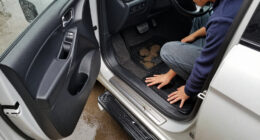
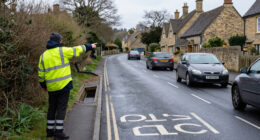
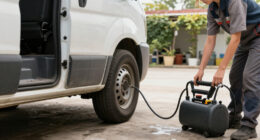
If you experience a tire blowout in a loaded van, stay calm and keep both hands on the wheel. Gently ease off the accelerator and steer smoothly to maintain control. Look for a safe spot to pull over, signal your intentions in advance, and turn on hazard lights. Before stopping, make certain the vehicle is stable on a flat surface and then carefully change the tire or call for assistance. To stay safe and prevent further risks, follow these essential steps carefully.

Get garage and car supplies delivered free — and shop member deals
- Fast, free delivery on millions of items
- Access to Prime Big Deal Days deals on October 6–7
- Prime Video, Amazon Music and more included
Key Takeaways
- Stay calm, keep both hands on the wheel, and gently ease off the accelerator to maintain control.
- Steer smoothly toward a safe, flat area like the shoulder or wide curb to stop the vehicle.
- Signal early and activate hazard lights to alert other drivers of your situation.
- Ensure the vehicle is stable on a flat surface before safely changing the tire.
- Call for assistance if needed and follow proper procedures for tire replacement to prevent further hazards.

Experiencing a tire blowout in a loaded van can be alarming, but knowing how to respond quickly and safely is essential. The sudden loss of control can cause your vehicle to jerk or swerve unexpectedly. The first thing you need to do is stay calm. Panicking or overreacting increases the risk of losing control further. Keep both hands firmly on the steering wheel and focus on maintaining a steady course. Don’t slam on the brakes, as this can cause your van to skid or spin out, especially when heavily loaded. Instead, gently ease off the accelerator to slow down gradually. Maintaining control of your steering is critical to prevent a more serious accident.
As your speed decreases, look for a safe place to pull over. Aim for a shoulder, wide curb, or an area away from traffic flow. Signal your intentions clearly by activating your turn signal well in advance. Keep your foot off the brake initially, so you don’t suddenly decelerate too abruptly, but once you’ve identified a safe spot, slowly apply the brakes to come to a stop. If your van starts to drift or pull toward the blown-out tire’s side, gently counter-steer to correct your direction. Your priority is to keep the vehicle stable and avoid abrupt movements that could lead to loss of control.
Once you’ve stopped, turn on your hazard lights immediately to alert other drivers. This is especially important since a loaded van with a flat tire can be a hazard to traffic. Before attempting to change the tire, ensure the van is on a flat, stable surface, and if possible, engage the parking brake. If your vehicle has a manual transmission, put it in gear or park if automatic. Don’t forget to wear reflective gear or safety vests if you’re in a busy area, and keep your distance from traffic.
Handling a tire blowout safely means staying composed, controlling your vehicle, and making deliberate decisions. Your focus should be on slowing down gradually, steering steadily, and pulling over safely.
Once stopped, taking proper safety precautions and calling for help if needed ensures you and your cargo remain safe. Being prepared and calm in these moments can make all the difference in preventing further accidents and getting back on the road securely.
Frequently Asked Questions
How Can I Prevent Tire Blowouts on Long Trips?
To prevent tire blowouts on long trips, you should regularly check your tire pressure and keep it at the manufacturer’s recommended level. Inspect tires for cuts, punctures, or uneven wear before starting your journey.
Avoid overloading your van, as extra weight increases risk. Drive at moderate speeds and avoid sudden braking or sharp turns.
Regularly rotating your tires and ensuring proper alignment also help prevent blowouts, keeping you safer on the road.
What Should I Do if I Don’t Have a Spare Tire?
A flat tire without a spare is like being stranded on a deserted island. First, you should pull over safely and turn on your hazard lights.
Call roadside assistance or a towing service for help.
If you’re comfortable, you can try to change the tire using a repair kit or inflator, but prioritize safety.
Stay calm and wait for professional help to avoid further damage or injury.
Are There Specific Tires Better for Heavy Loads?
Yes, you should opt for tires designed for heavy loads, such as commercial or reinforced tires. These tires have stronger sidewalls and better load ratings, ensuring safety and durability when your van is loaded.
Always check the tire’s load index and ply rating to match your vehicle’s weight capacity. Investing in high-quality, load-rated tires helps prevent blowouts and improves overall handling under heavy loads.
How Does Vehicle Weight Affect Tire Blowout Risk?
Vehicle weight increases tire blowout risk because heavier loads put more stress on tires, causing them to heat up and weaken faster.
When you carry a loaded van, the added pressure accelerates tire wear and heightens the chance of failure, especially if tires aren’t properly maintained or rated for the load.
To reduce risk, make sure tires are suitable for your load, check pressure regularly, and avoid overloading.
Can Tire Pressure Monitoring Systems Help Avoid Blowouts?
Tire pressure monitoring systems act like vigilant guardians, catching issues before they become blowouts. They constantly keep an eye on your tire pressure, alerting you if it drops too low or spikes too high.
By maintaining proper pressure, you reduce the risk of a blowout—preventing your tires from becoming ticking time bombs.
Trust these systems to keep your journey smooth, safe, and free from unexpected explosions on the road.
Conclusion
Remember, a tire blowout in a loaded van is like hitting a sudden storm on a calm sea. Stay calm, grip the wheel firmly, and steer straight to maintain control. Gradually slow down and find a safe spot to pull over. By keeping your cool and acting swiftly, you’ll navigate through the turbulence safely. Think of it as riding out a storm—your steady hands and clear mind steer you back to safety.
Fall Picks
fall essentials
As an affiliate, we earn on qualifying purchases.