To keep your automatic transmission running smoothly, you should change the fluid and replace the filter based on your vehicle’s recommended intervals, usually between 30,000 and 60,000 miles. Regular fluid changes prevent overheating, leaks, and slipping gears, while a new filter guarantees contaminants don’t clog the system. Pay attention to signs like delayed shifting or strange noises. Stay tuned for more tips on maintaining your transmission’s health and extending its lifespan.
Key Takeaways
- Regularly check and replace transmission fluid to ensure proper lubrication and prevent overheating.
- Change the transmission filter during fluid service to trap dirt and debris, maintaining fluid cleanliness.
- Follow the vehicle manufacturer’s recommended service intervals, typically between 30,000 and 60,000 miles.
- Look for signs like slipping gears or delayed shifting to identify early transmission issues.
- Consult your owner’s manual or mechanic for specific maintenance needs, especially for sealed or maintenance-free transmissions.
Are you unsure when to schedule an automatic transmission service? Knowing the right time to get your transmission serviced can save you from costly repairs down the line. Typically, your vehicle’s owner’s manual will specify recommended intervals, often around every 30,000 to 60,000 miles, but driving habits, climate, and road conditions can influence these timelines. If you notice slipping gears, delayed shifting, or strange noises, it’s a good idea to have your transmission checked sooner. Regular maintenance focuses on two key aspects: replacing the transmission fluid and changing the filter. These components play a crucial role in keeping your transmission running smoothly.
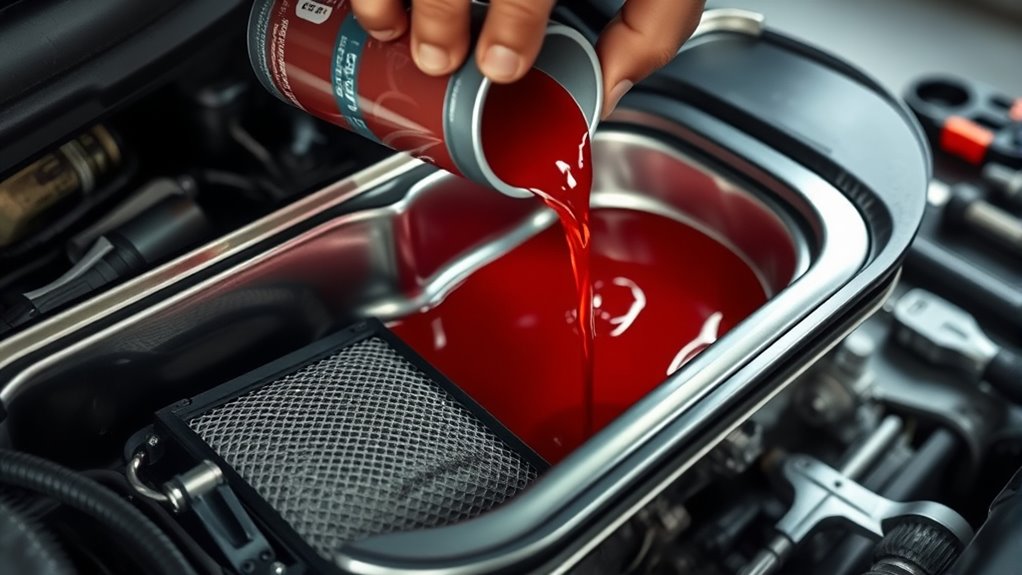
Transmission fluid acts as the lifeblood of your transmission system. It lubricates moving parts, helps dissipate heat, and ensures smooth gear shifts. Over time, this fluid can break down or become contaminated with debris, dirt, and metal particles. When that happens, your transmission’s performance diminishes, and wear increases. That’s why regular fluid changes are essential. You should consider scheduling a transmission service when the fluid appears dark or smells burnt, or if it becomes gritty to the touch. Fresh transmission fluid maintains proper hydraulic pressure, prevents overheating, and reduces the risk of costly repairs. Regularly inspecting the transmission fluid quality can help catch issues early before significant damage occurs.
Transmission fluid breaks down over time, so change it when it appears dark, smells burnt, or feels gritty.
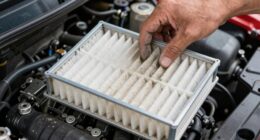
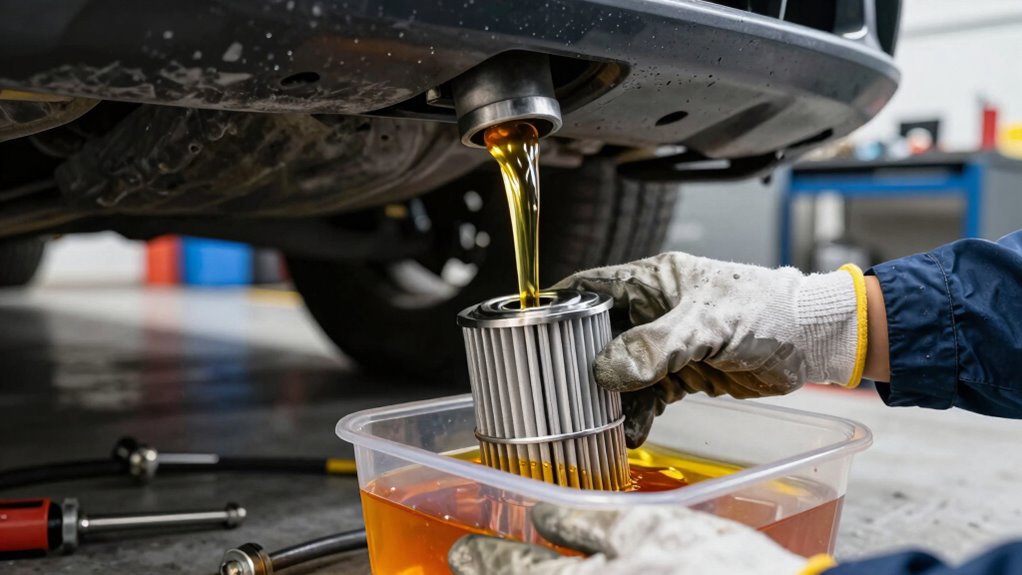
Along with fluid replacement, filter replacement is equally important. The transmission filter traps dirt and debris that naturally accumulate over time, preventing them from circulating through the system. If the filter becomes clogged or dirty, it can restrict fluid flow, leading to rough shifts, slipping, or even transmission failure. During a service, the technician will typically remove the old filter and replace it with a new one. This process ensures that the transmission fluid remains clean and effective, allowing your vehicle to shift seamlessly and operate efficiently. Since filters can become clogged before the fluid degrades substantially, changing the filter at regular intervals is a proactive step to extend your transmission’s lifespan. Regular transmission system maintenance can also help identify early signs of trouble and avoid unexpected breakdowns. Additionally, understanding your vehicle’s appliance maintenance plans can help schedule these services proactively. Being aware of fluid lifespan recommendations can further optimize your transmission upkeep schedule.
Keep in mind that some modern vehicles have sealed or maintenance-free transmissions, which might not require routine fluid and filter changes as frequently. However, even these systems benefit from periodic inspections. If you’re not sure whether your vehicle needs a transmission service, consult your owner’s manual or a trusted mechanic. Scheduling a professional service at the right intervals helps avoid costly repairs and keeps your driving experience smooth. Remember, maintaining clean transmission fluid and a fresh filter is a simple, effective way to preserve the health of your automatic transmission and ensure your vehicle operates reliably for miles to come. Proper fluid maintenance is essential for optimal transmission performance and longevity.
Frequently Asked Questions
How Often Should I Check My Automatic Transmission Fluid Levels?
You should check your automatic transmission fluid level at least once a month to make certain of proper operation. Regular checking frequency helps you catch any leaks or low fluid issues early. Make sure your vehicle is on a level surface and the engine is warm before checking the fluid level. Maintaining the correct fluid level prevents transmission problems and extends its lifespan, keeping your vehicle running smoothly.
Can I Change the Transmission Fluid Myself?
Did you know that over 70% of car owners try DIY maintenance at some point? Yes, you can change your transmission fluid yourself if you’re comfortable with basic tools and safety precautions. Just remember to properly dispose of the old fluid, as it’s hazardous. Follow your vehicle’s manual for the correct procedure, and consider consulting a repair guide. With patience, you can save money and learn more about your car.
What Are Signs of Transmission Fluid Contamination?
You’ll notice signs of transmission fluid contamination if you see fluid discoloration, such as dark or burnt-looking fluid, and hear strange noises like whining or grinding during gear shifts. These issues indicate the fluid may be dirty or degraded, affecting your transmission’s performance. If you observe these signs, it’s essential to get your fluid examined and possibly replaced to prevent further damage and ensure smooth shifting.
Does Transmission Fluid Type Vary by Vehicle Make?
You know what they say, “The right tool makes all the difference.” When it comes to transmission fluid, it definitely varies by vehicle make. Always check fluid compatibility and follow manufacturer specifications to guarantee peak performance. Using the wrong fluid can cause damage or shifting issues. So, always consult your owner’s manual or a professional to select the correct transmission fluid for your car’s make and model.
How Does Transmission Fluid Affect Overall Vehicle Performance?
You’ll notice that transmission fluid directly impacts your vehicle’s overall performance by maintaining transmission efficiency. When fluid degrades over time, it loses its lubricating and cooling properties, causing shifts to become rough or delayed. Regularly checking and replacing the fluid helps prevent issues, ensuring smooth operation. Fresh, high-quality fluid keeps your transmission running efficiently, extends its lifespan, and enhances your driving experience by minimizing wear and tear.
Conclusion
Regularly checking, changing, and maintaining your automatic transmission fluid and filter keeps your vehicle running smoothly, prolongs its lifespan, and prevents costly repairs. By staying attentive to fluid levels, replacing filters when needed, and following recommended service intervals, you guarantee peak performance, safety, and reliability. Consistent care, proactive maintenance, and timely service create a foundation of trust, efficiency, and longevity for your vehicle—because a well-maintained transmission isn’t just a necessity, it’s a responsibility.